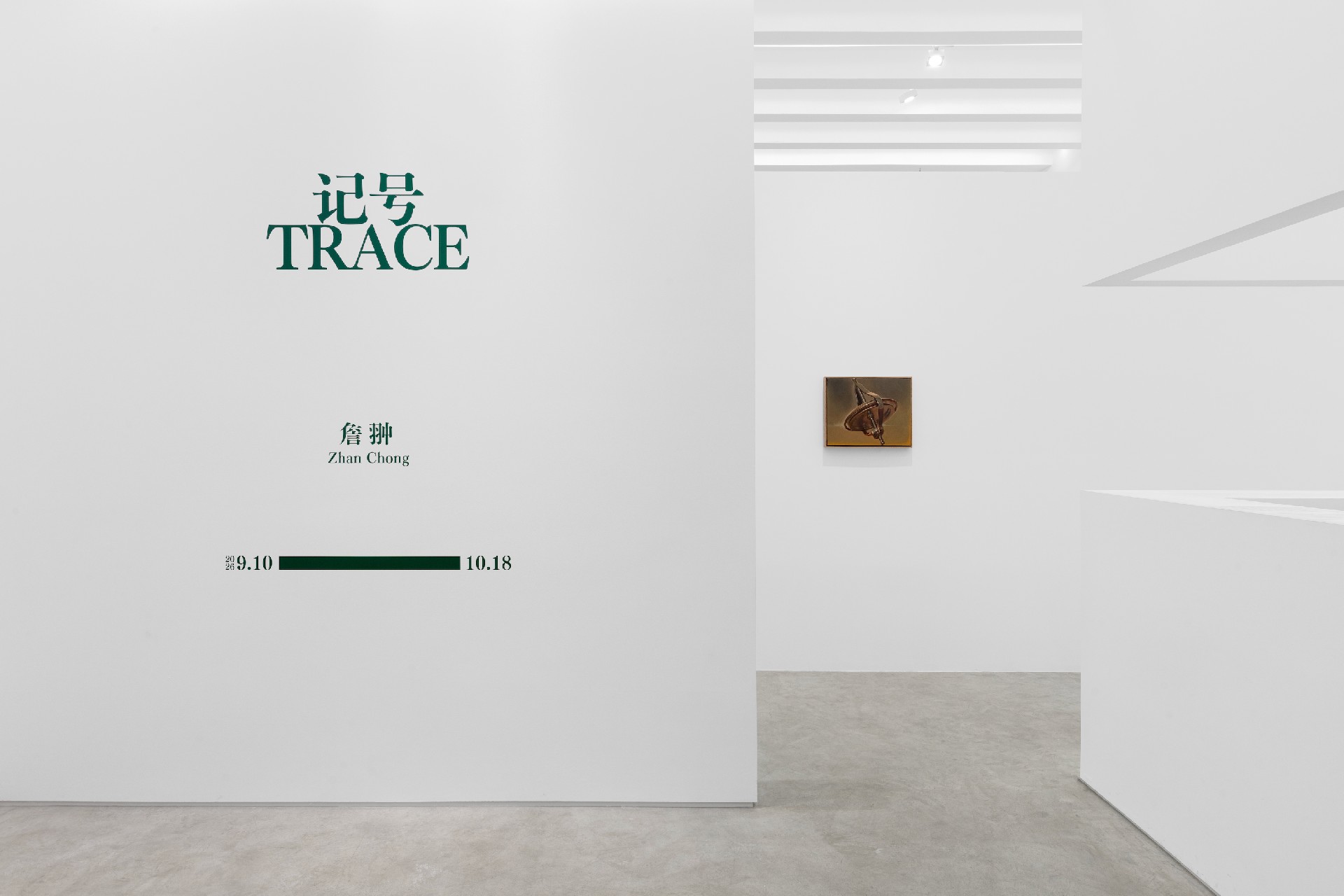
Zhan Chong:TRACE
Beijing
September 10 - October 18, 2026
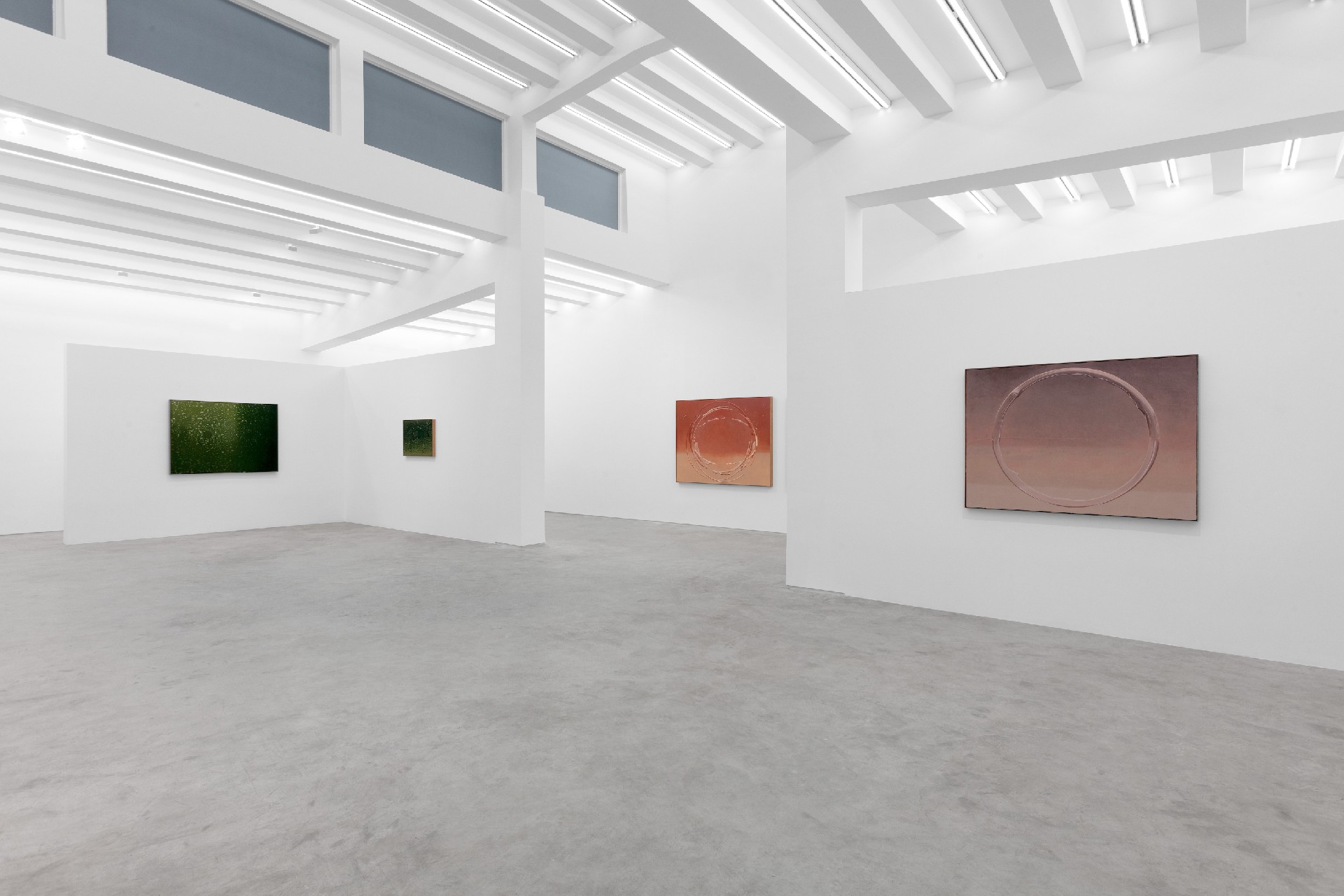
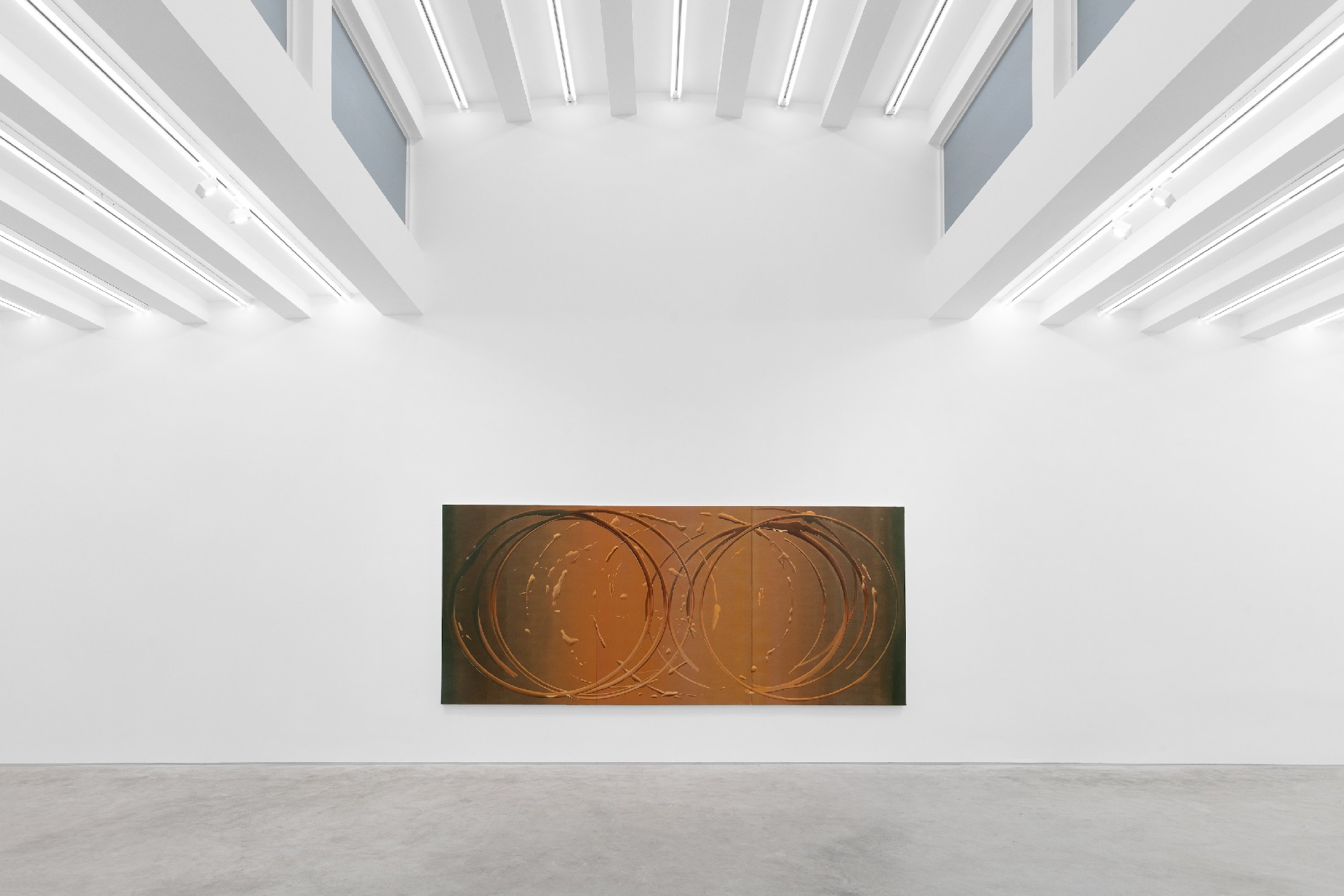
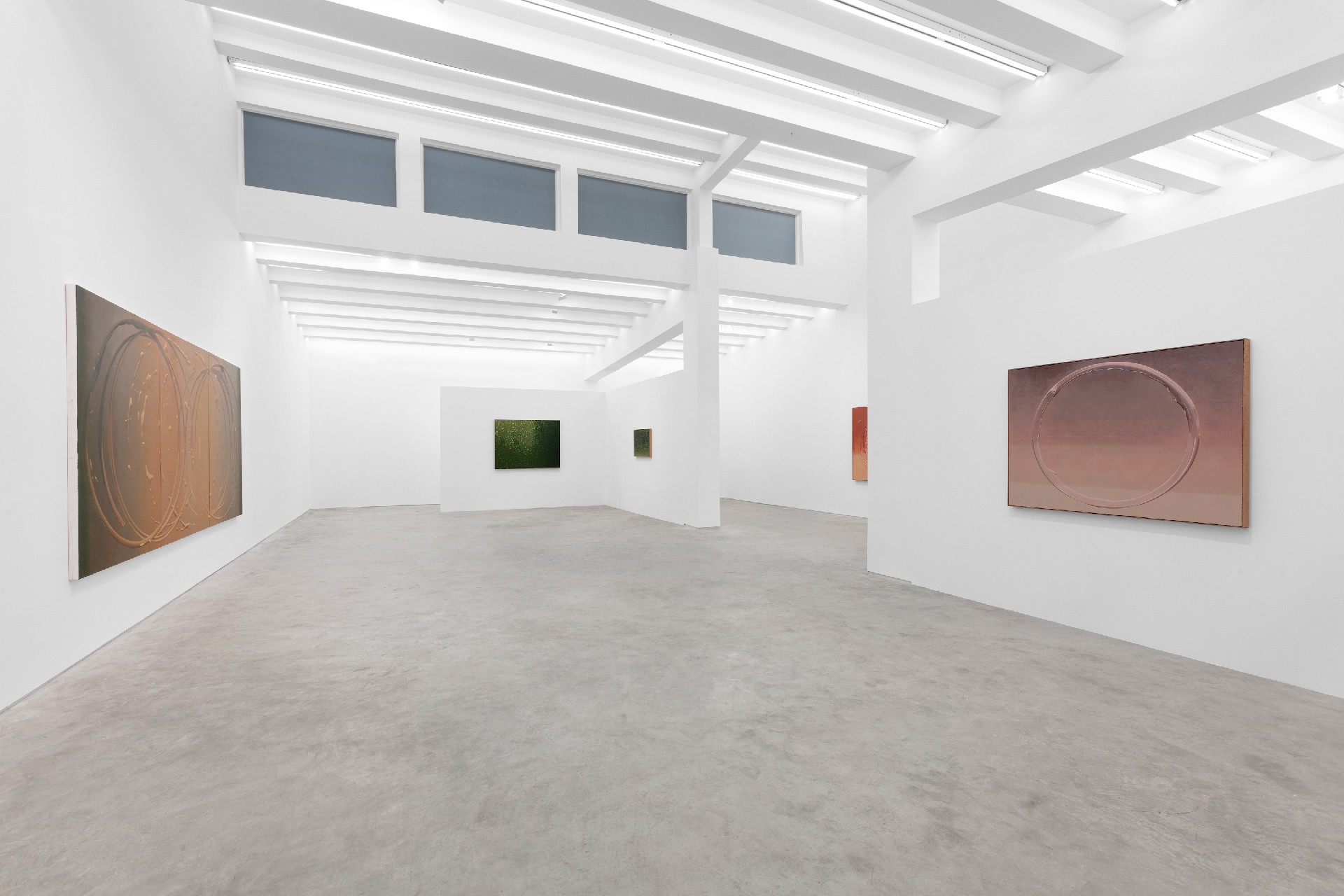
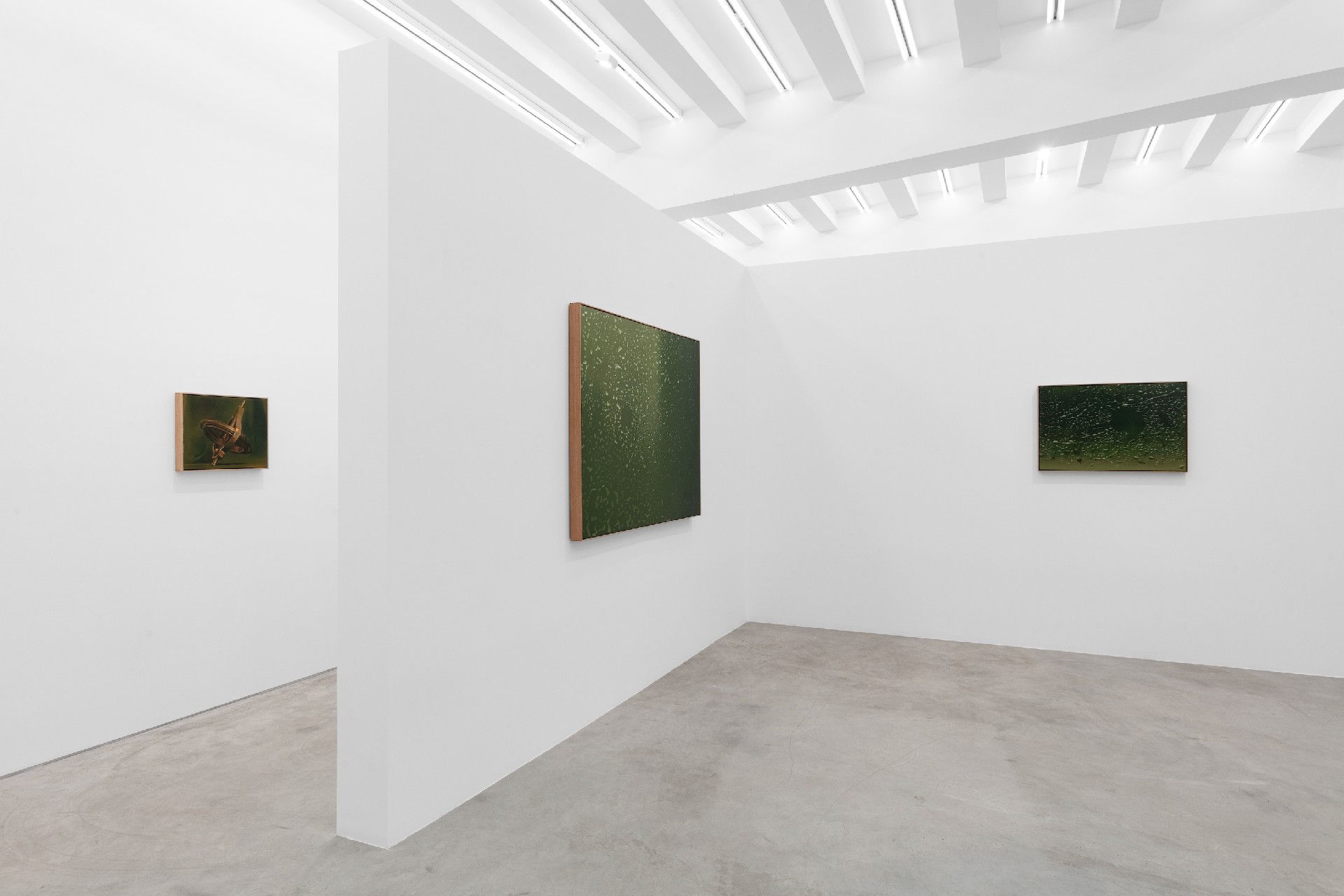
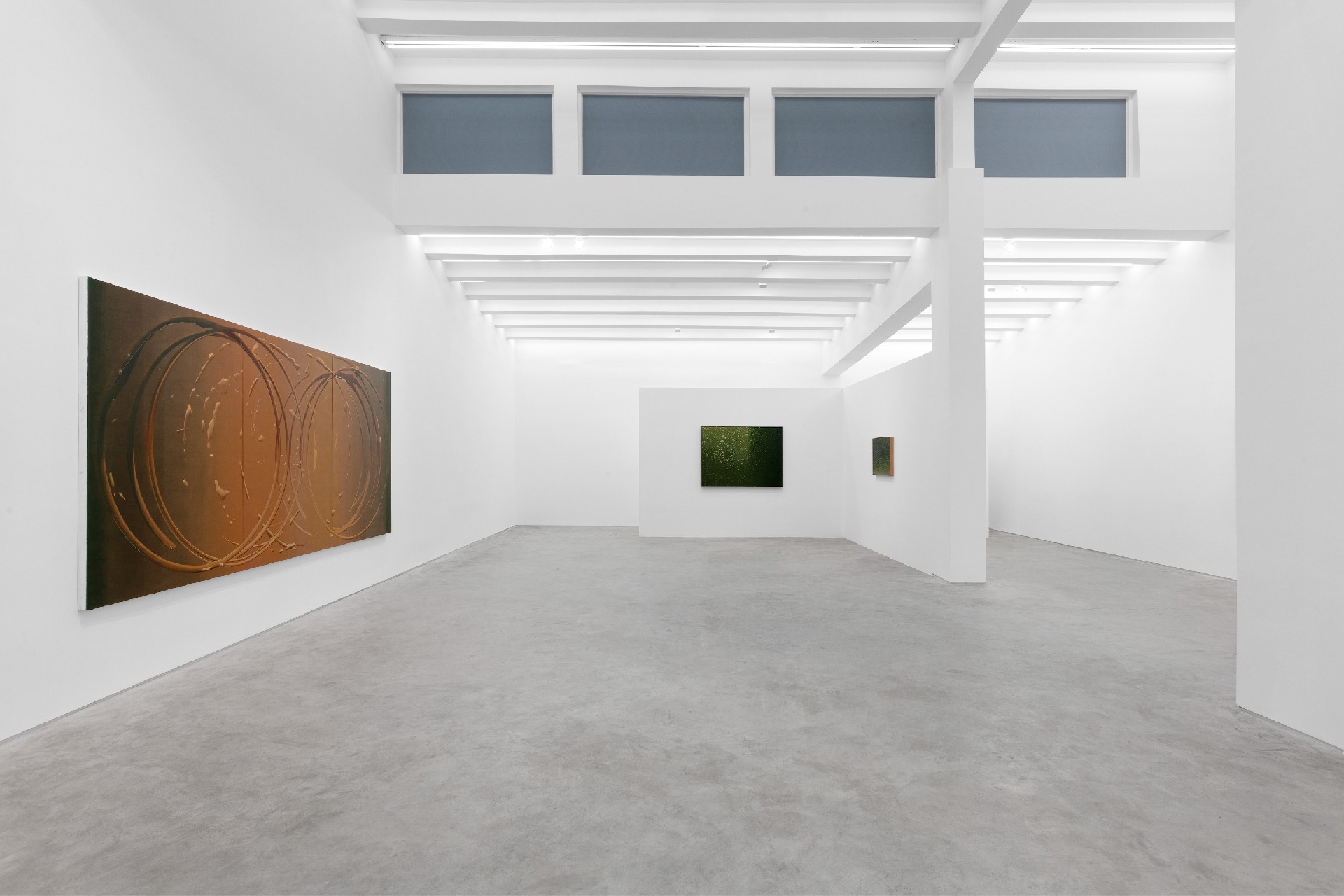
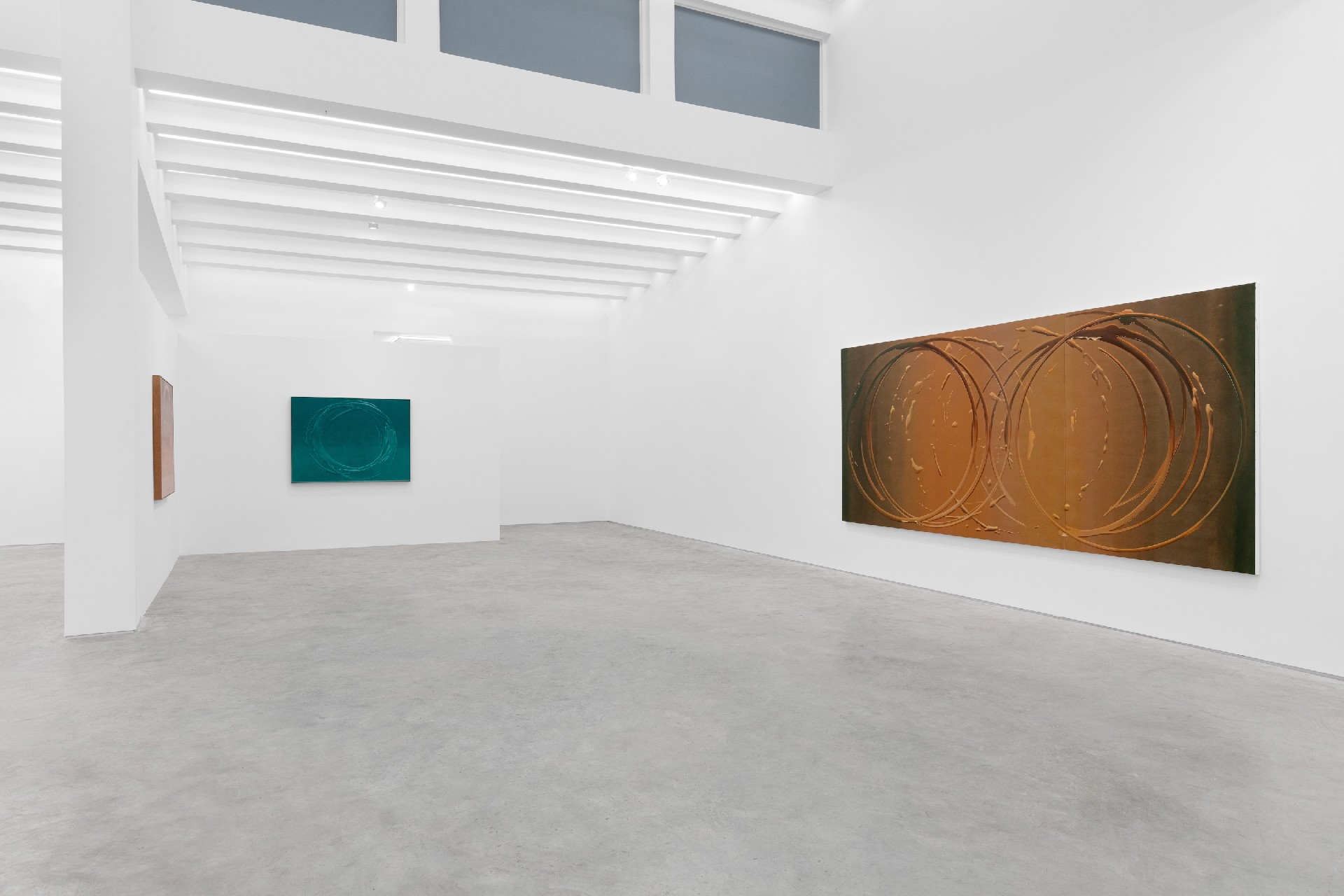
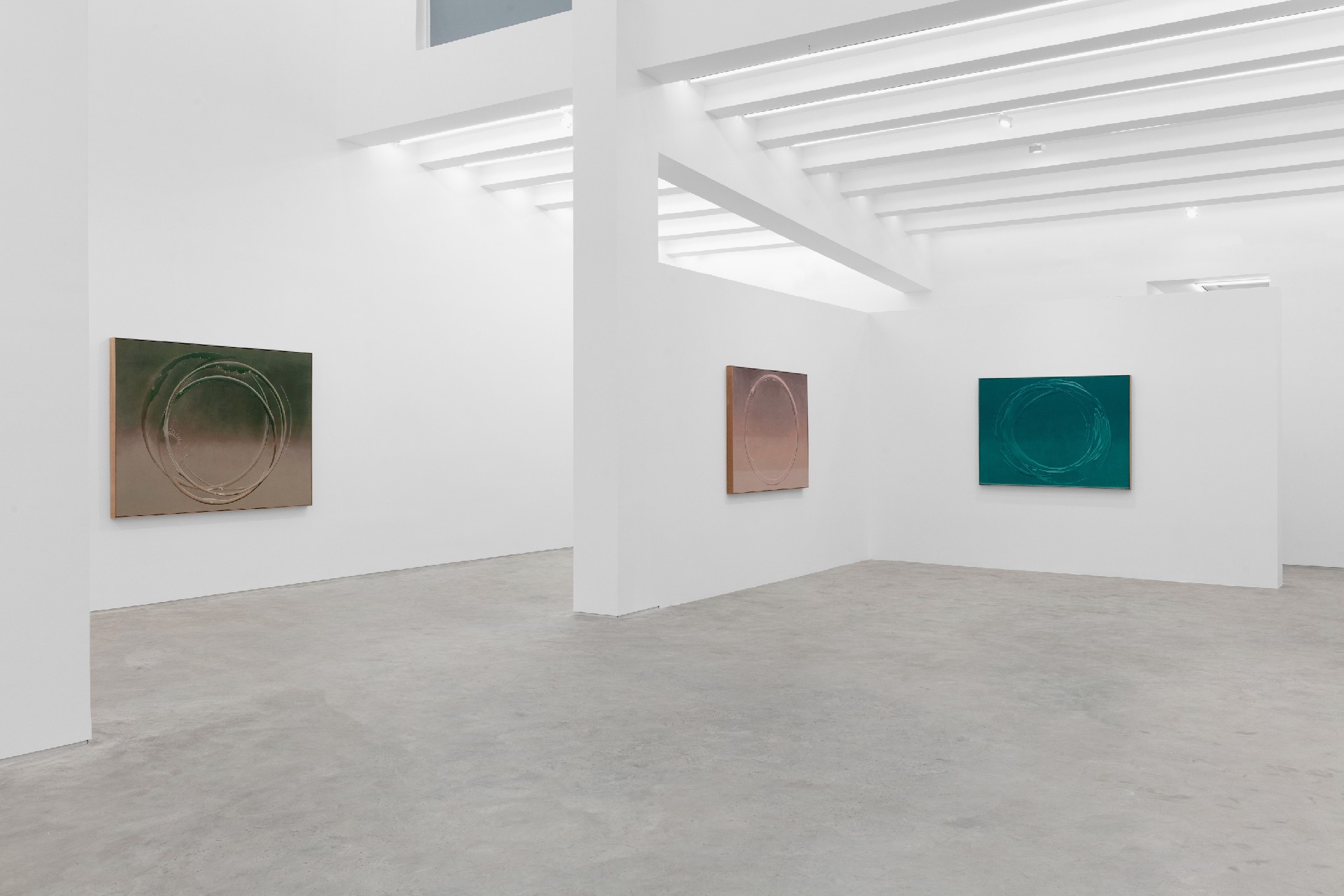
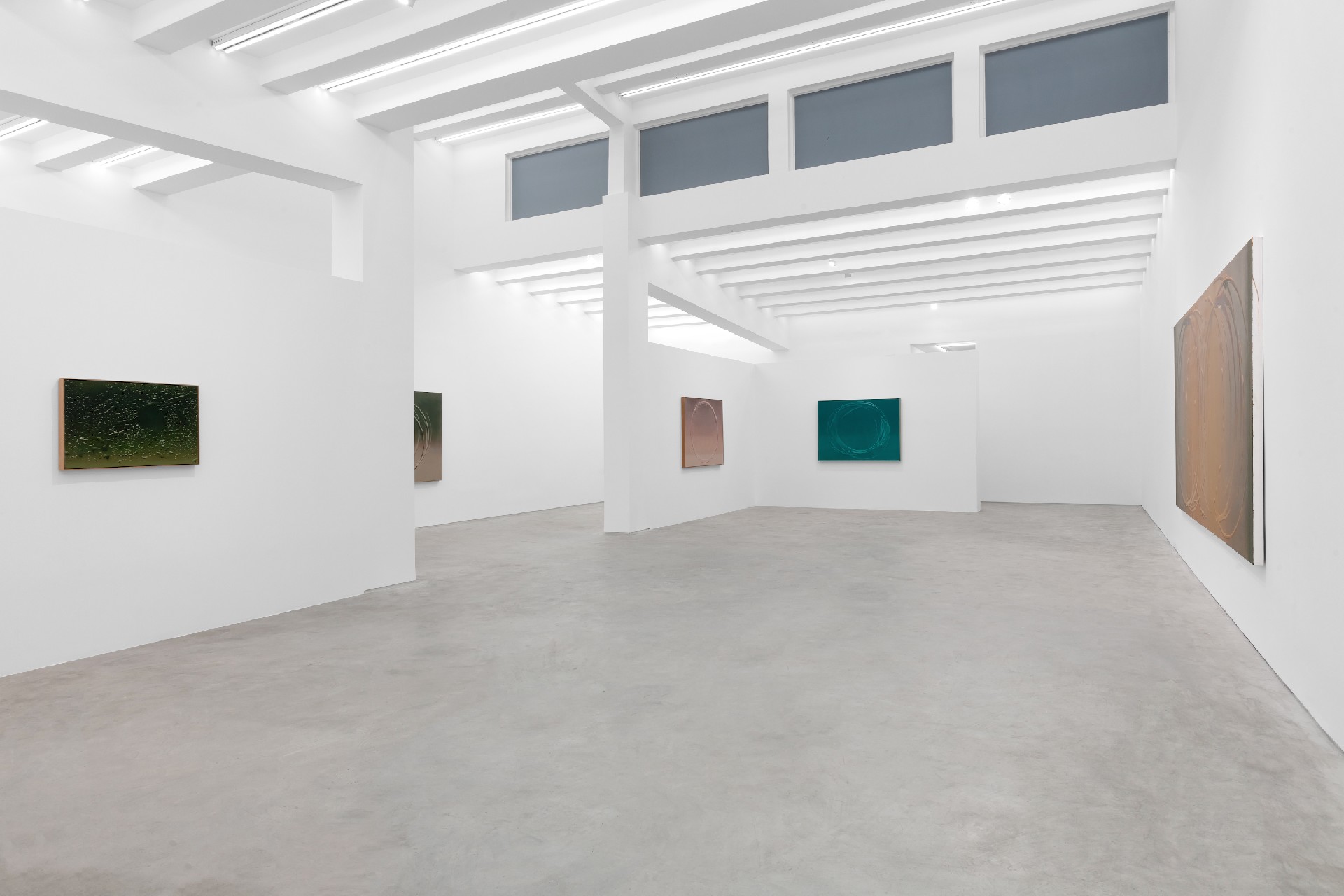
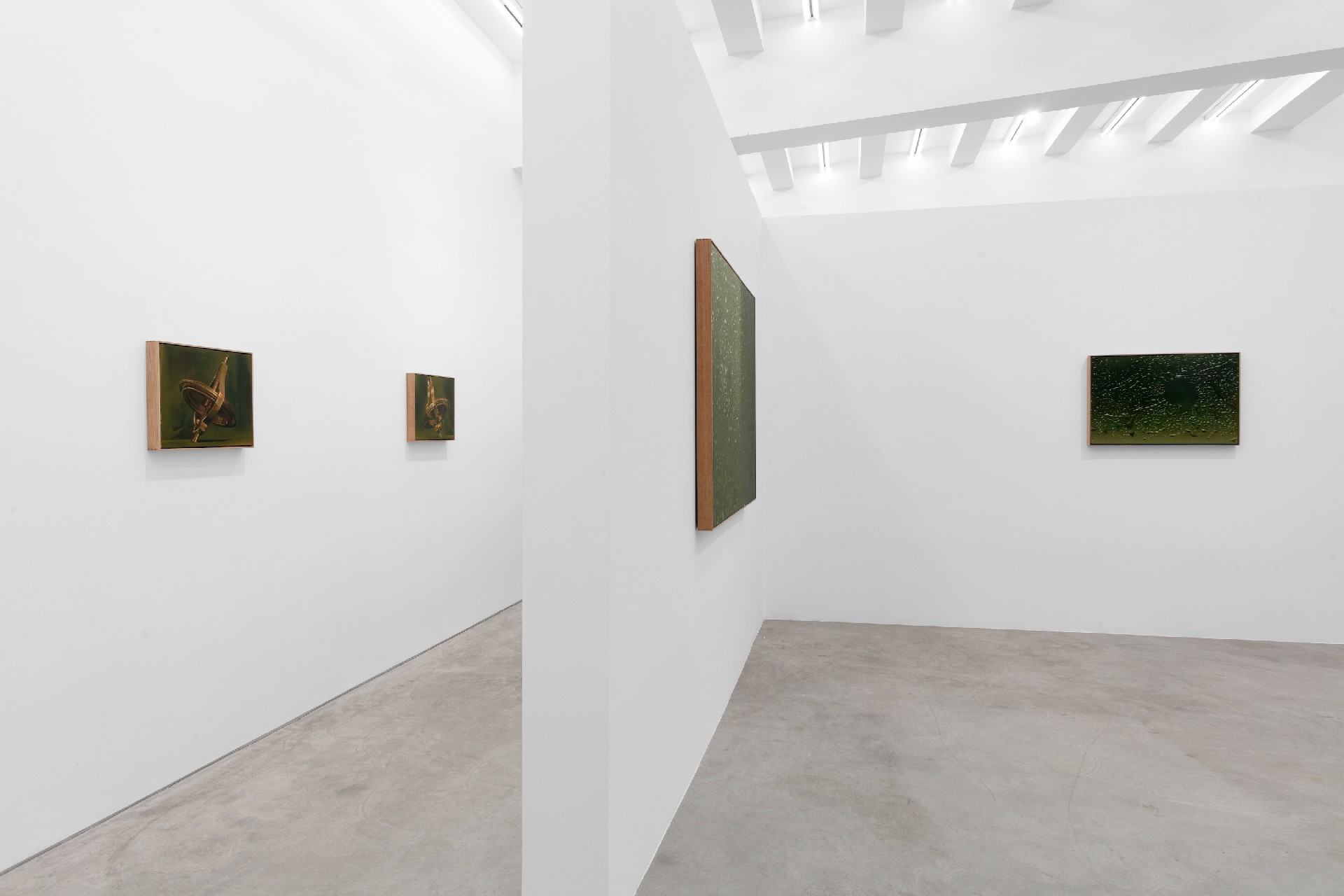
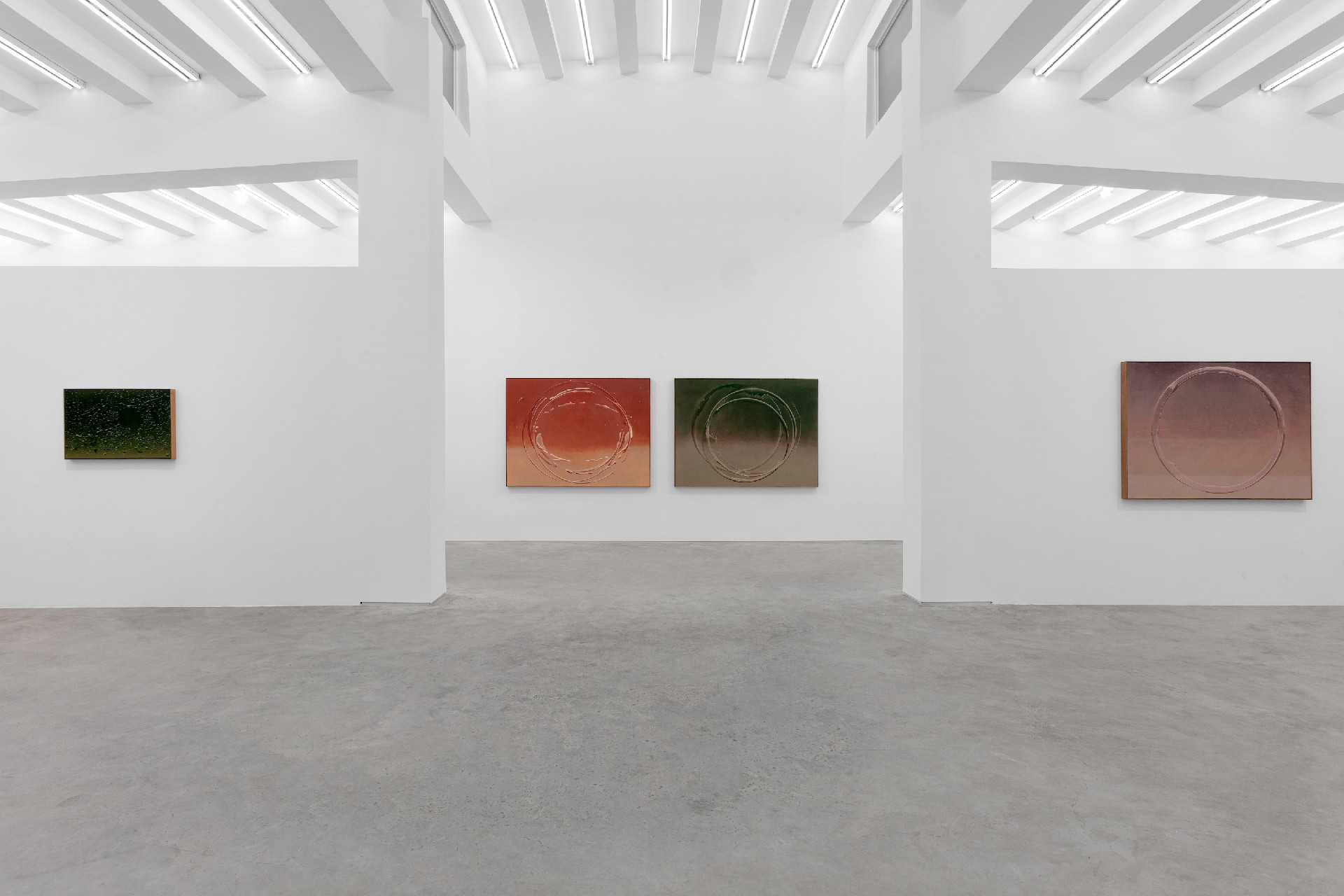
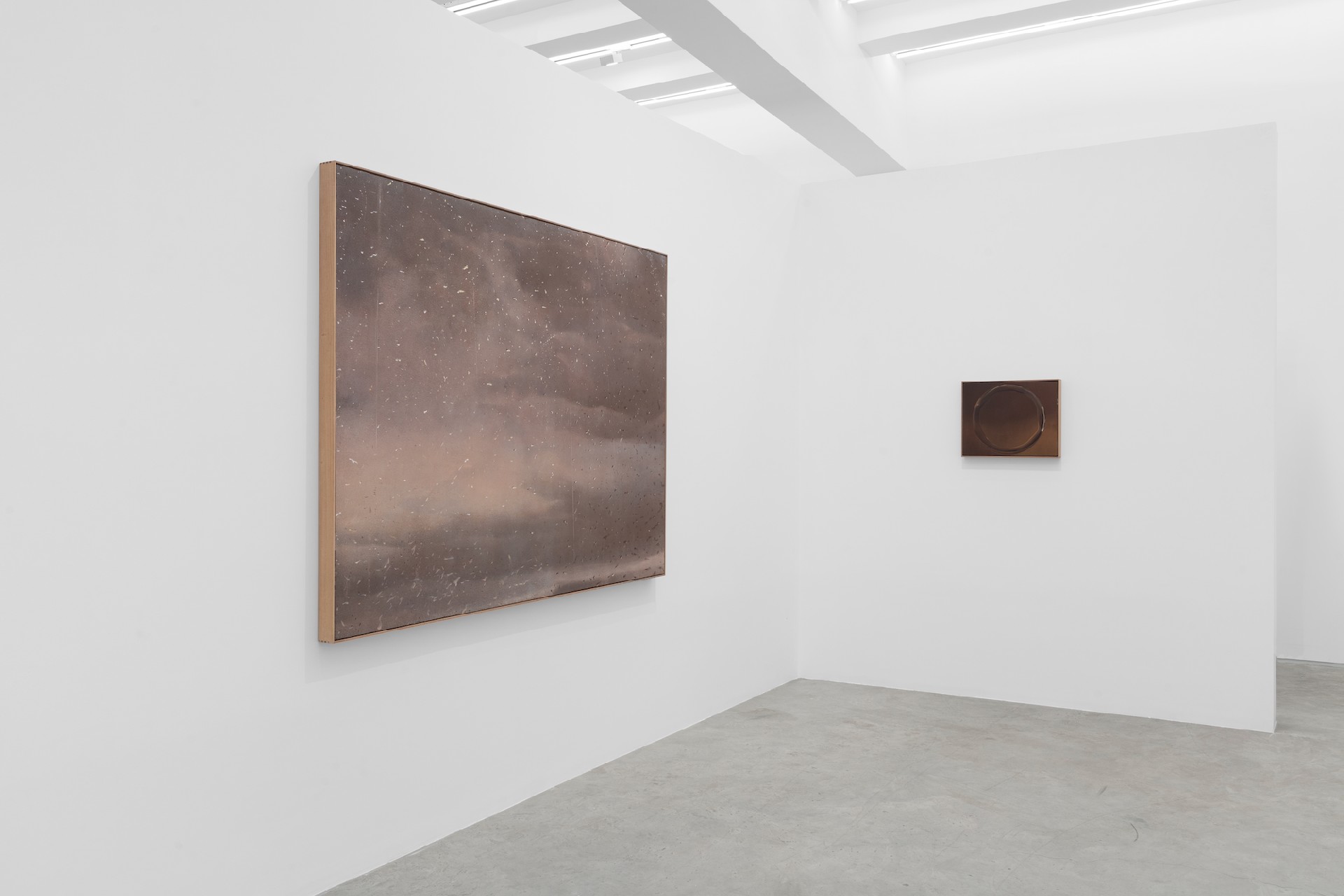
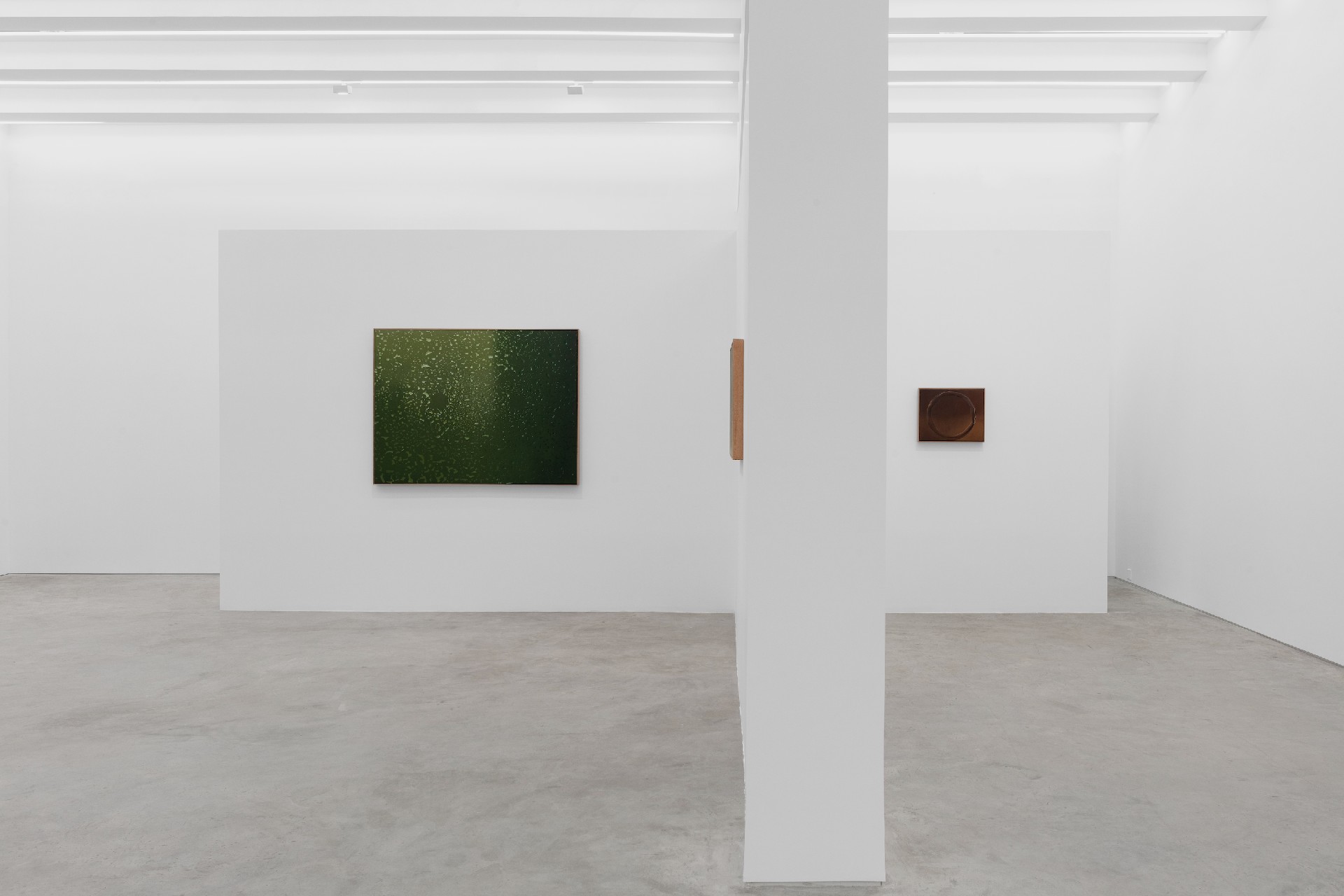
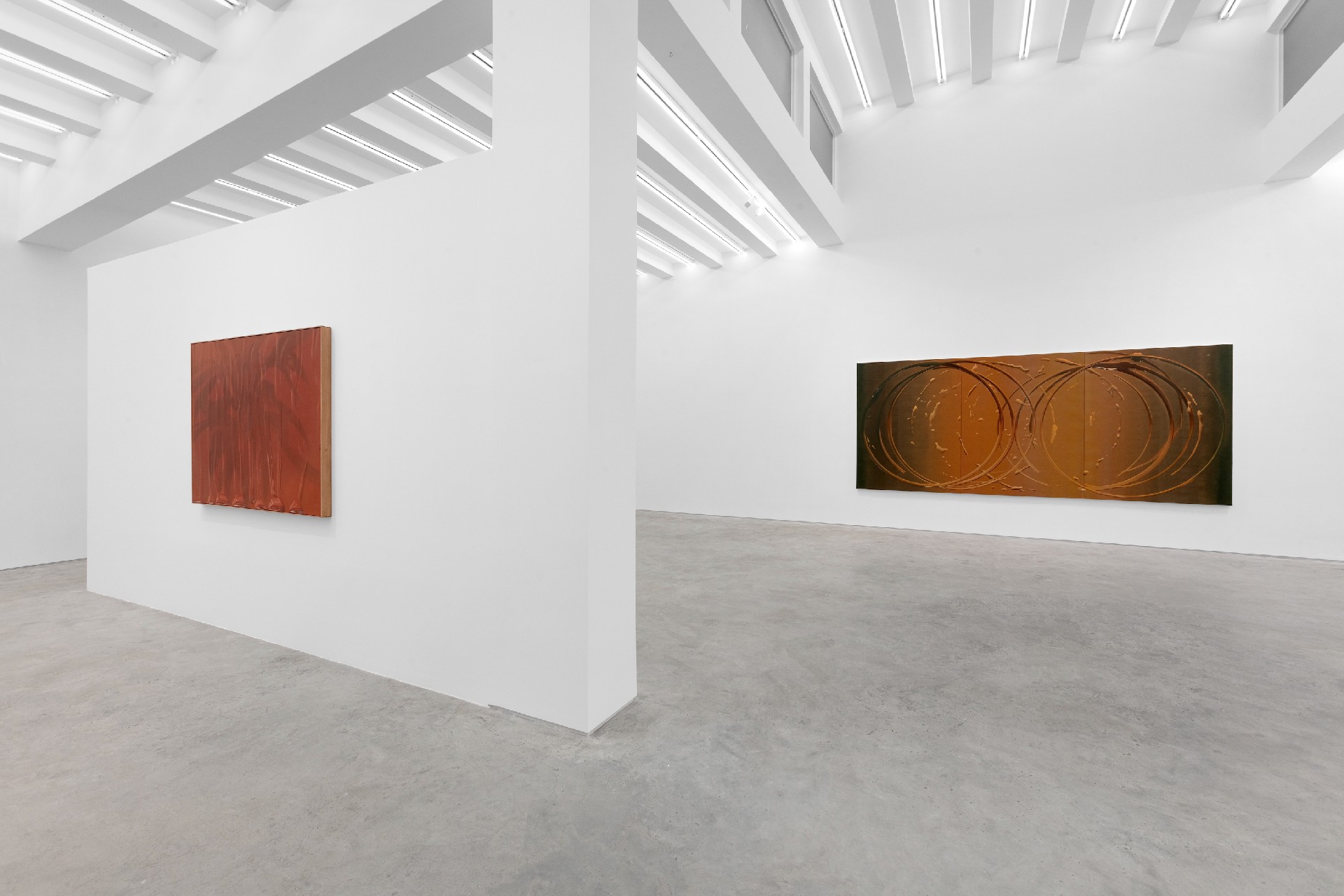
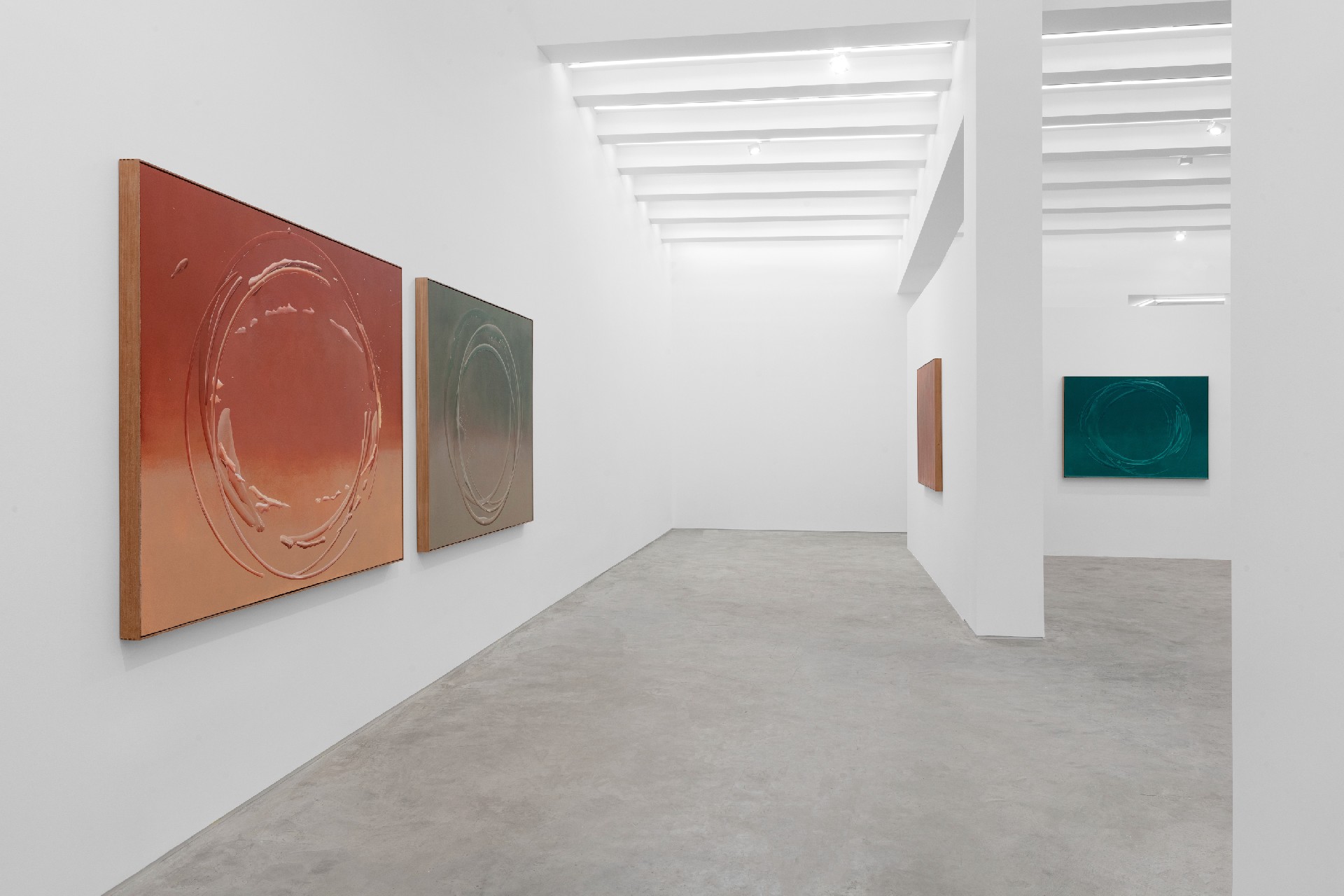
Hunsand Space is pleased to present Trace, a solo exhibition by artist Zhan Chong, opening on September 10, 2026. In his earlier practice, Zhan Chong focused on depicting and shaping the “thing-in-itself” and the “third space.” In this exhibition, however, he turns his attention to a more microscopic and elusive subject: circular water stains. If his 2024 solo exhibition Cross explored the flow of atmosphere and aura following the retreat of physical objects, Trace extends this inquiry into a more distinctly semiotic dimension. A water stain is the trace left by water’s passage; a circle is the form in which that trace becomes fixed. Under Zhan Chong’s brush, these are neither imitations of reality nor purely formal abstractions. Rather, they engage with a fundamental question of painting: how does an image come into being? For art to free itself from the constraints of “representation,” it must become a living presence of “sensation.”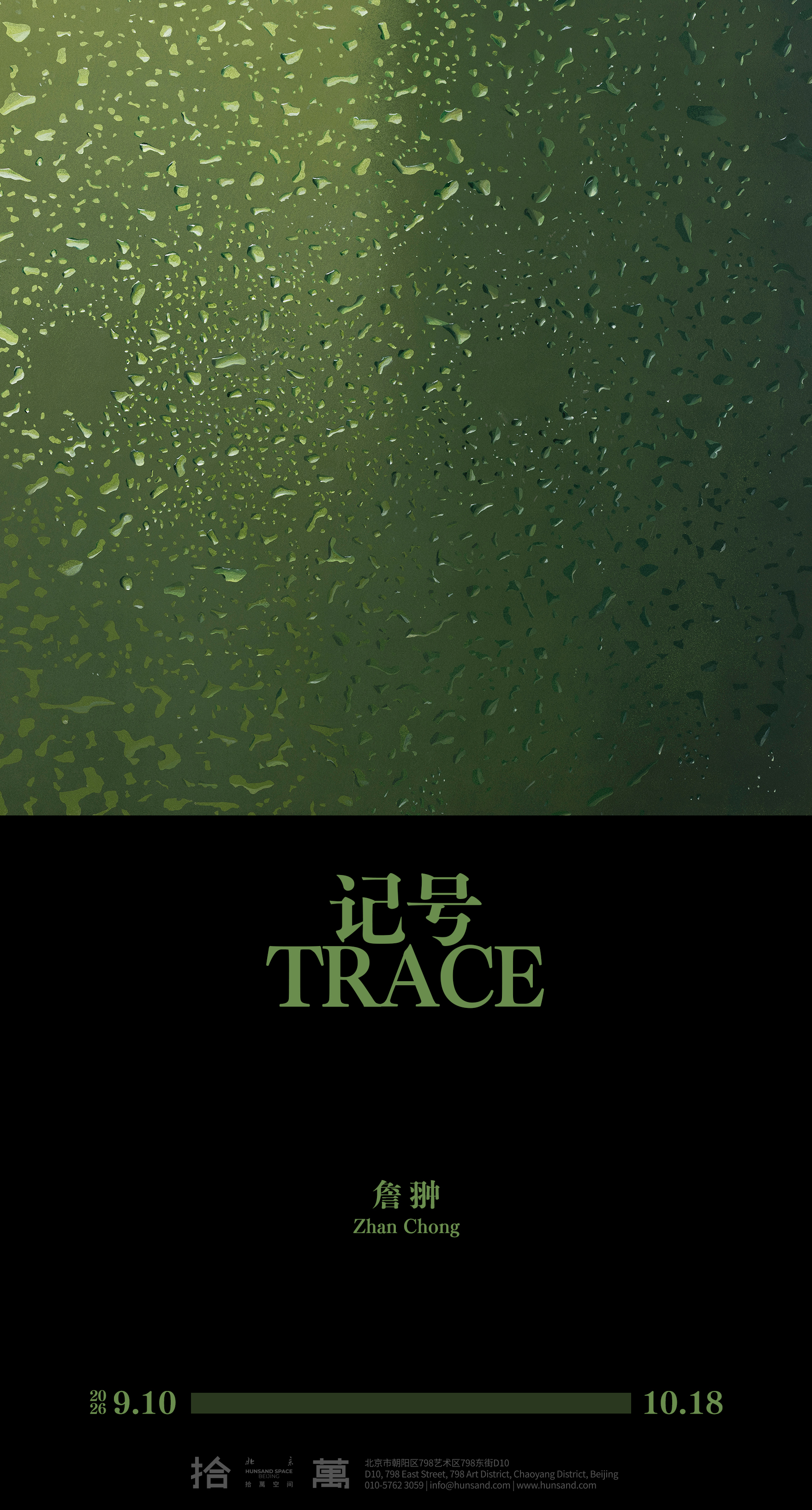
Artist: Zhan Chong
The task of painting “has nothing to do with the reproduction or invention of forms, but with the capture of forces.” The circular water stain is precisely such a visualization of “force.”
Water leaves traces as it evaporates, flows, and permeates—the residue of a dynamic process brought to an end, the moment when “becoming” solidifies into “being.” By choosing to depict the trace of water rather than water in motion, Zhan Chong seeks to capture “sensation”: not the emotional state of a human subject, but the emergence of “affect,” “force,” and “intensity.” The circular water stains on the canvas, varying in depth, concentration, and dispersion, register the trajectories of force released by water as it dissipates. In this sense, they are no longer representations of any particular water stain, but become “images” in their own right—neither figurative nor abstract, but opening up a “third path” between the two.
Zhan Chong’s choice to depict these accidental traces marks a deliberate departure from “anti-representation” itself. Art should not take reality as a “prototype” to be imitated, but should instead reconsider the direct and perceptual relationship between human beings and the world, and between human beings and reality.
From his early works Fetishism and Through Description to Typhoon and Cross, Zhan Chong has consistently explored the subtle relationships between objects and people, form and atmosphere, appearance and concealment. The circular water stains in Trace may represent his most direct engagement with “becoming” to date. They are not representations of things, but captures of force; not depictions of form, but witnesses to becoming.
When viewers stand before Zhan Chong’s works and encounter these water stains, at once familiar and strange, what they see is no longer “what,” but “how”: how water flows, how it evaporates, how it leaves a trace, and how that trace, almost imperceptibly, disappears once again. Art must “create images never seen before, in order to resist the threat posed by the finitude of existence.” In the most ordinary and easily overlooked of things, Zhan Chong’s circular water stains reveal an eternal cycle of becoming and disappearance.
Zhan Chong born in Lishui , Zhejiang in 1983. He graduated from Academy of Arts & Design in Tsinghua University in 2006. Now he lives and works in Beijing. Reflected in the work, the objects no longer seem to refer to obvious emotions or logic, and have even been reduced to a degree of 'object-ness' itself. They are swirled by invisible forces into the undercurrent of the atmosphere and become blurred and unfamiliar because they no longer carry meaning, like the low-frequency noise in experimental ambient music, emitting only a slow, thick buzz outside the senses, bringing about imperceptible, tiny tremors. As a result, the conventional 'semantics' attached to the 'I' and the objects are stripped away, leaving only the anxious, dark surges in their wake.