Wu Yuezhi: HIGH HOPES
Beijing
2026年10月24日 — 12月6日
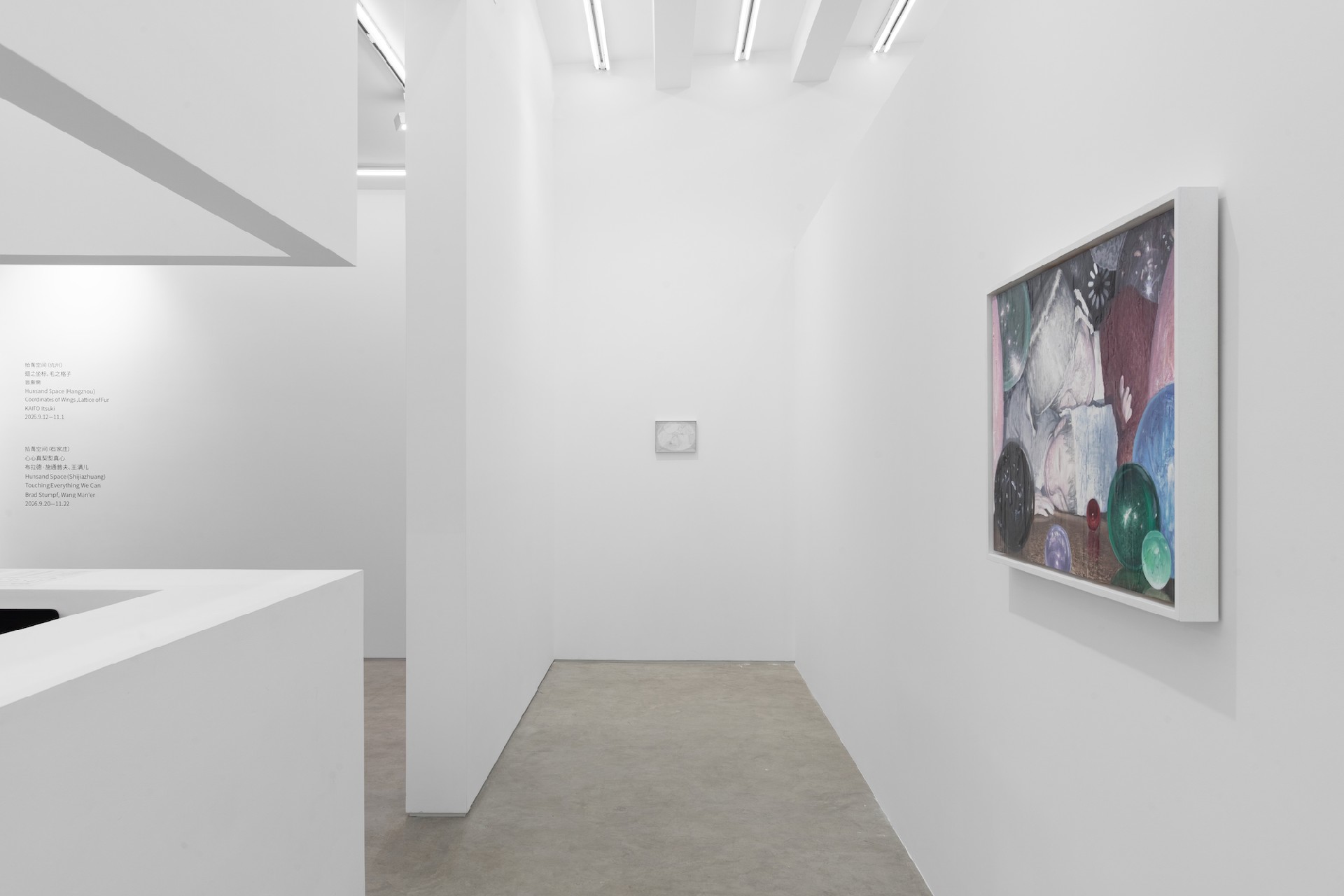
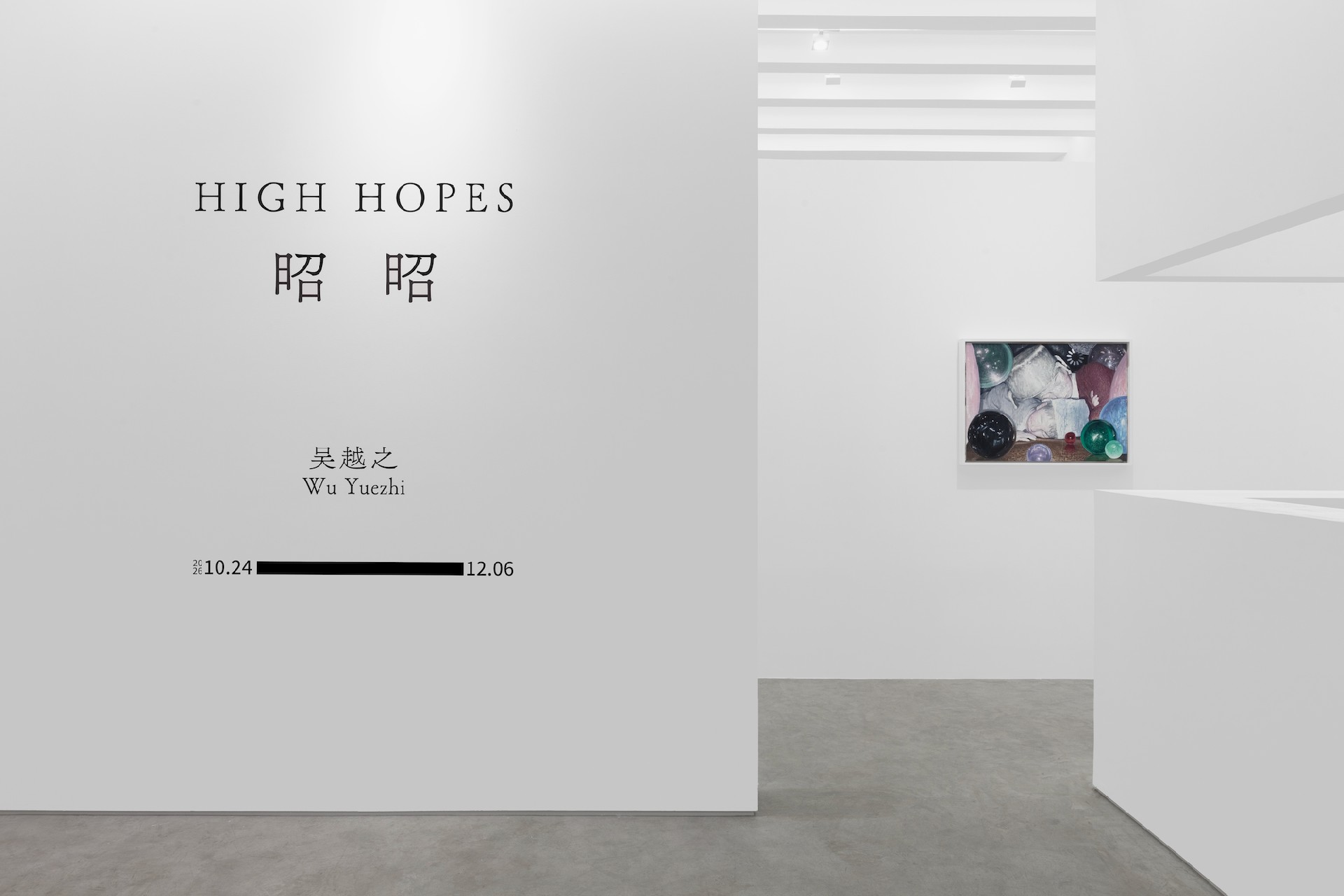
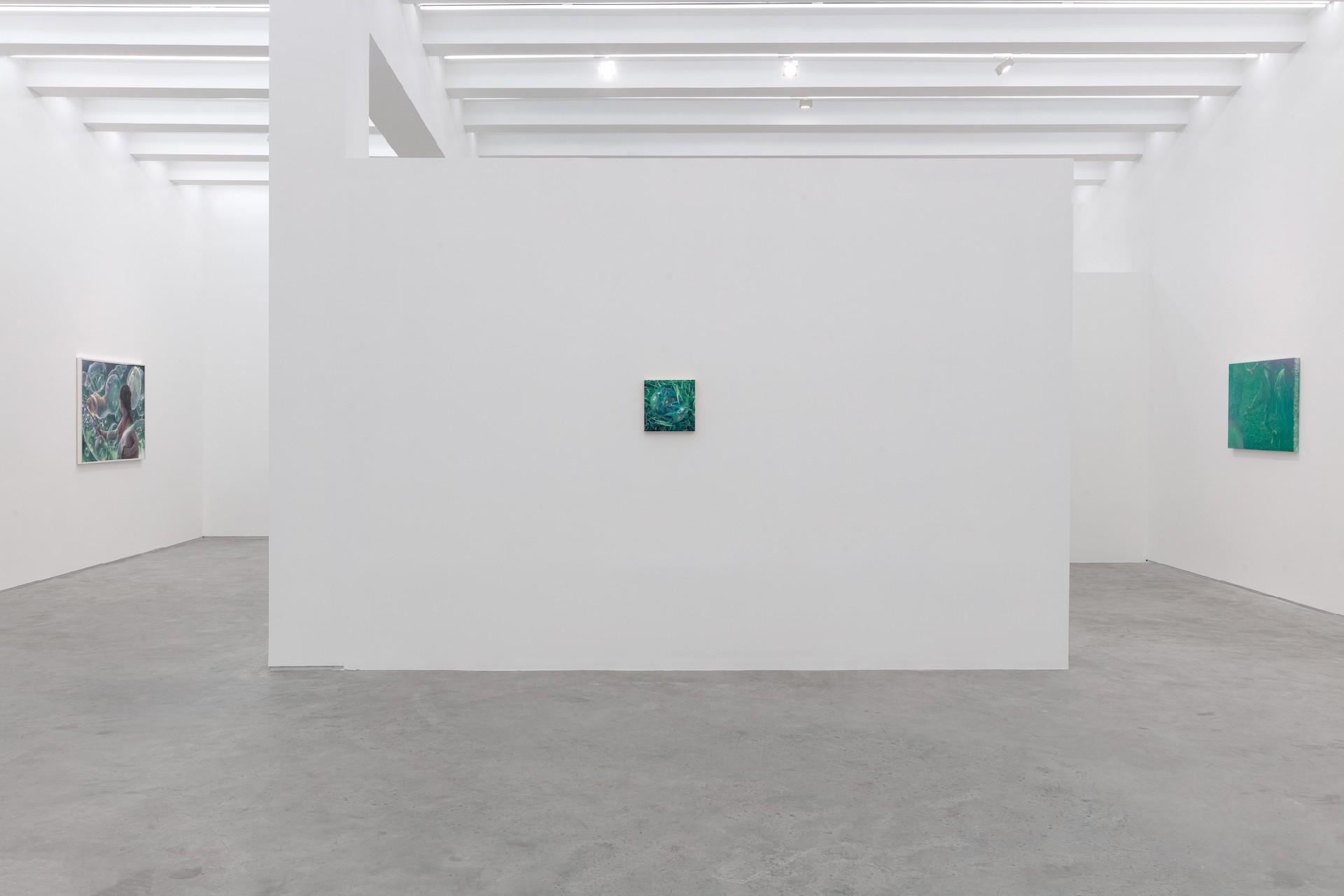
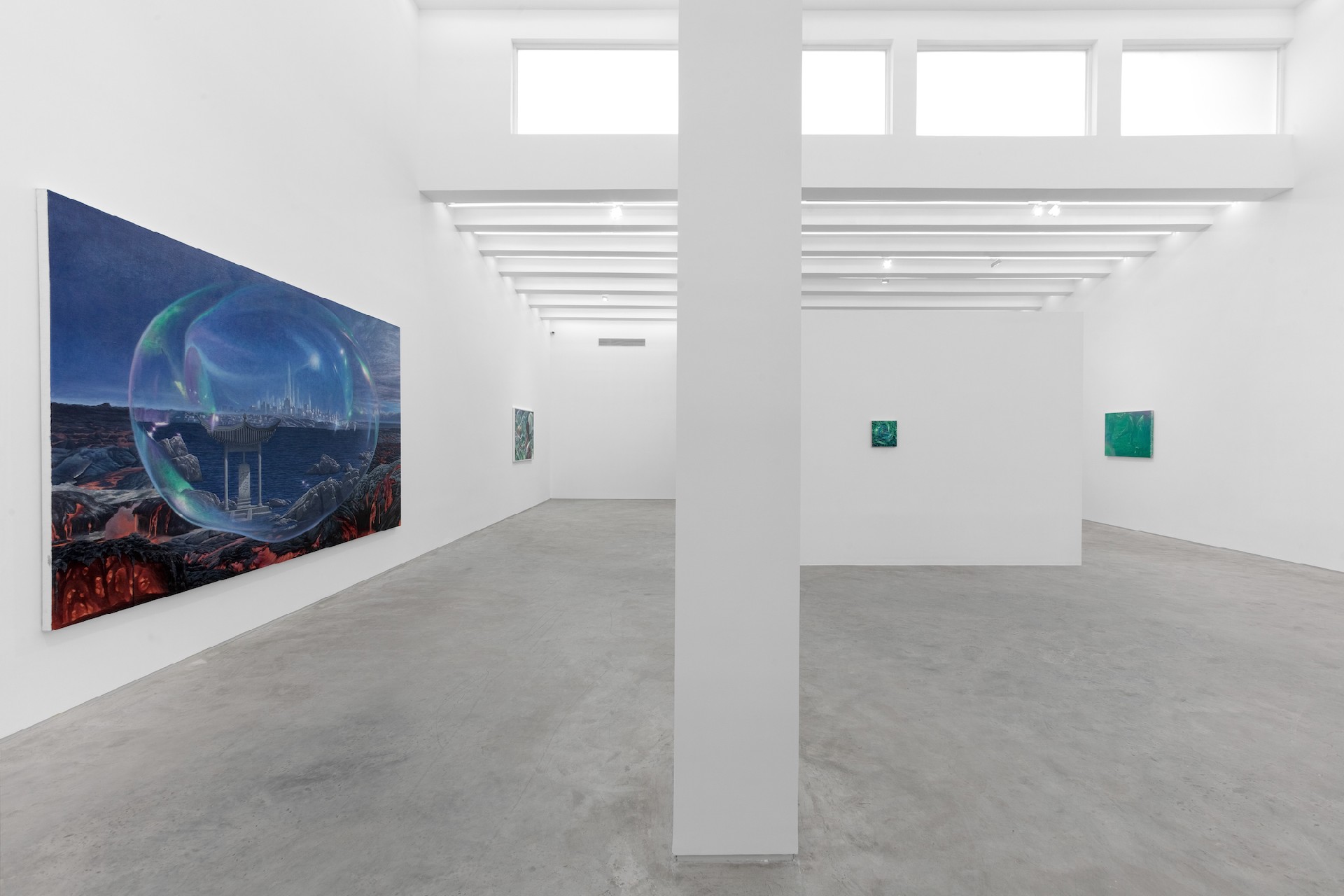
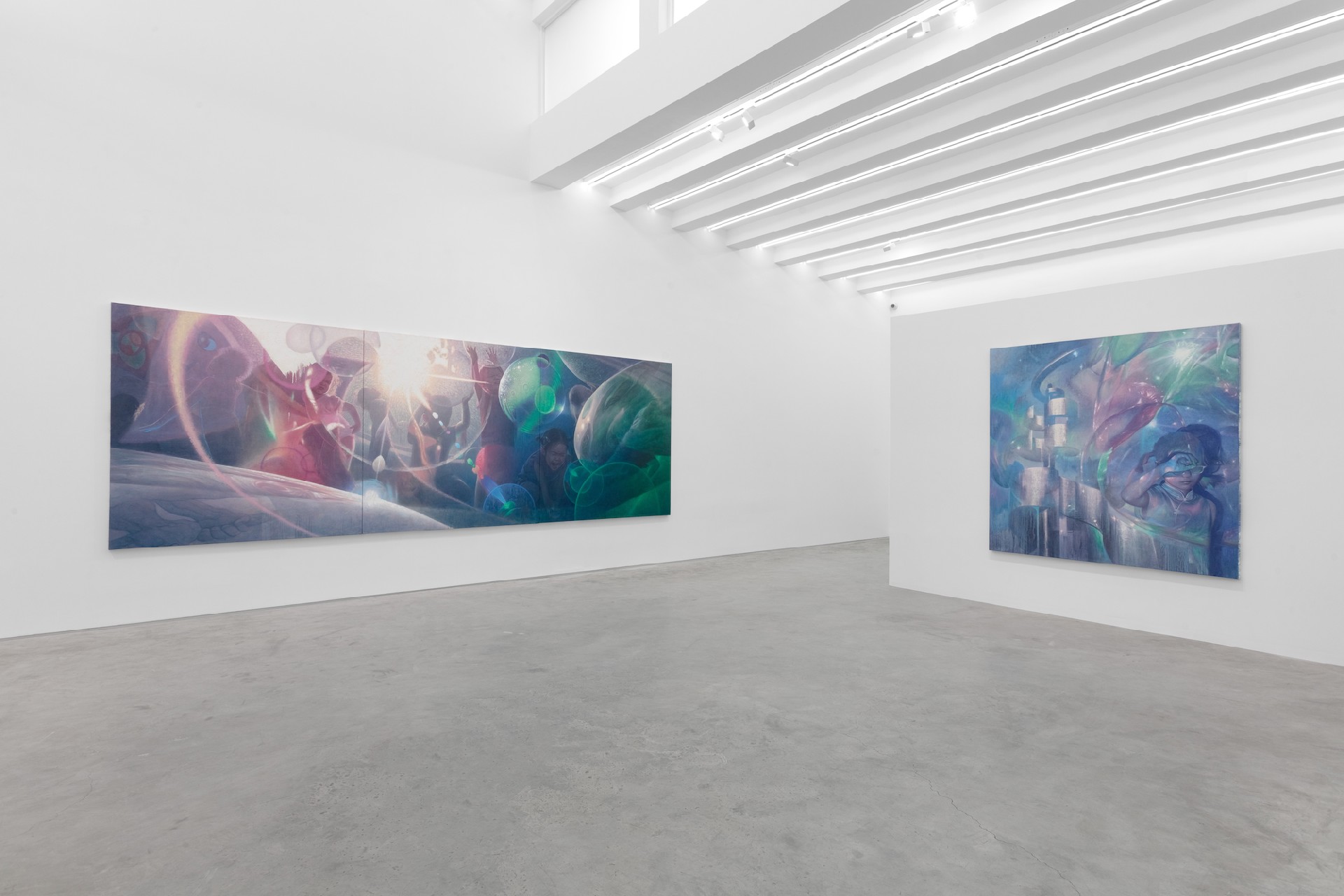
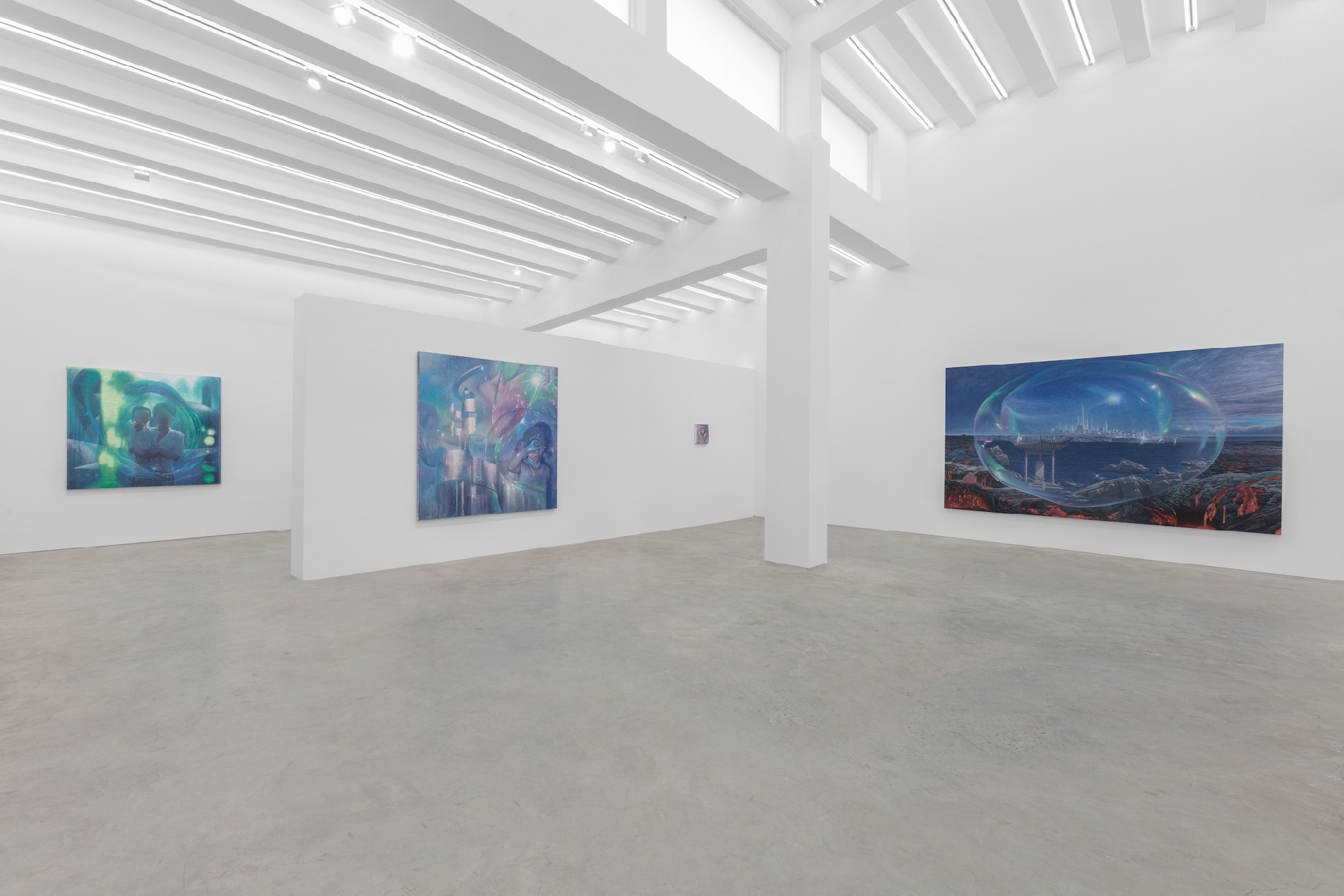
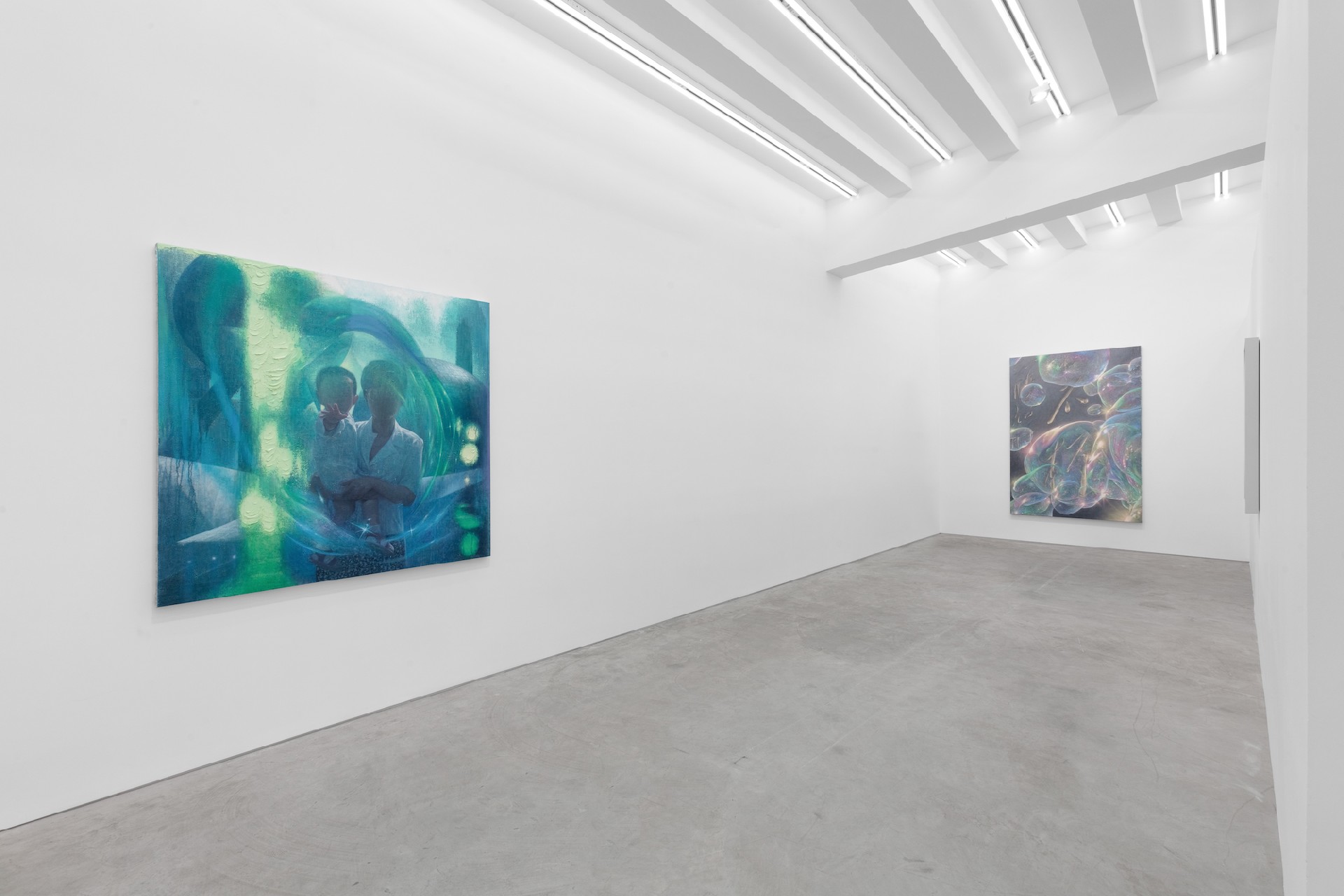
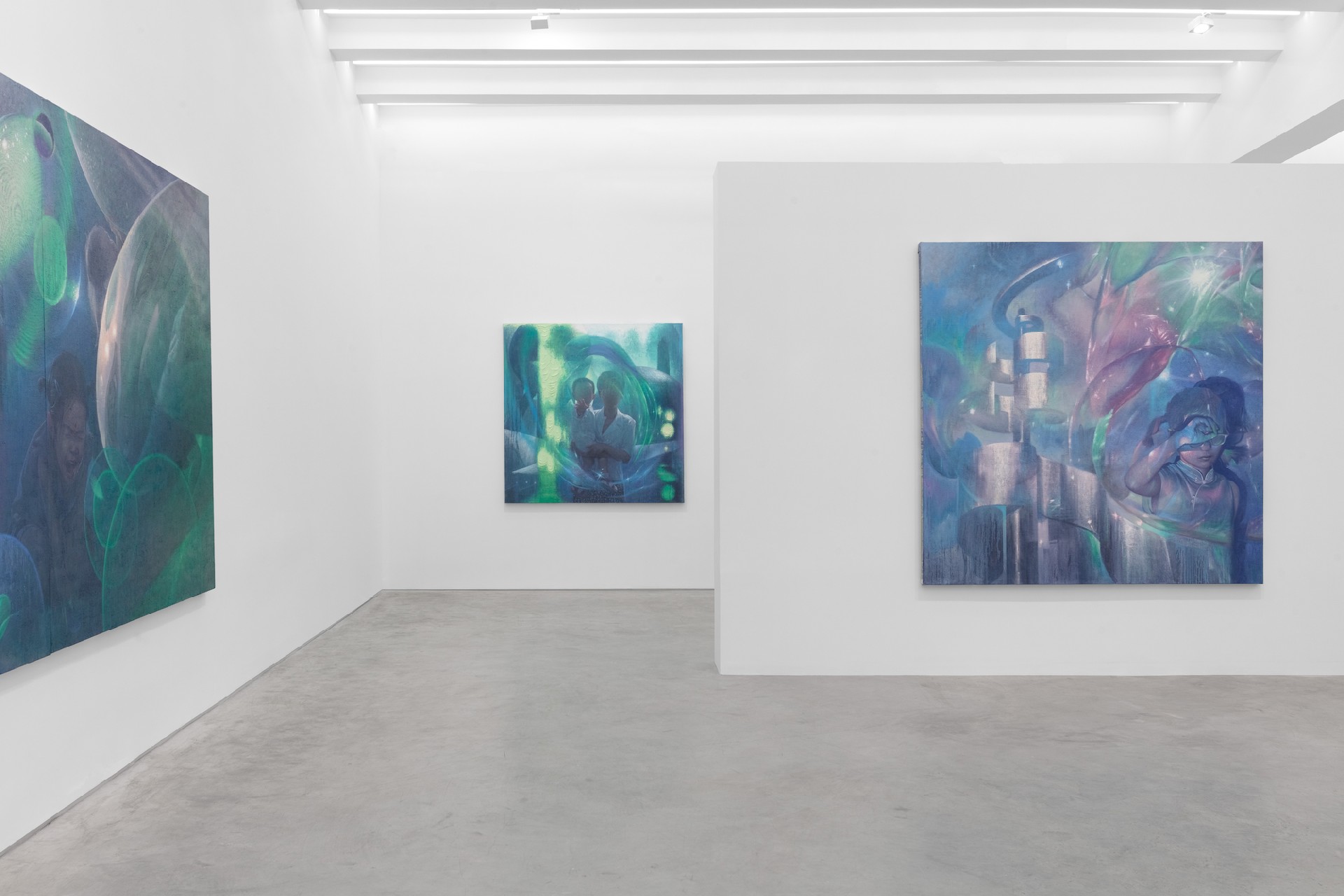
Hunsand Space is pleased to announce HIGH HOPES, a solo exhibition of recent work by Wu Yuezhi, on view at the gallery’s Beijing space from October 24 to December 6, 2026. Following his 2024 solo exhibition BLACKOUT, this exhibition marks a further, in-depth exploration of time in Wu’s practice. Bringing together more than ten recent works, it continues his sustained inquiry into time, examining how human will traverses temporal cycles and acts upon and reverberates within the present.
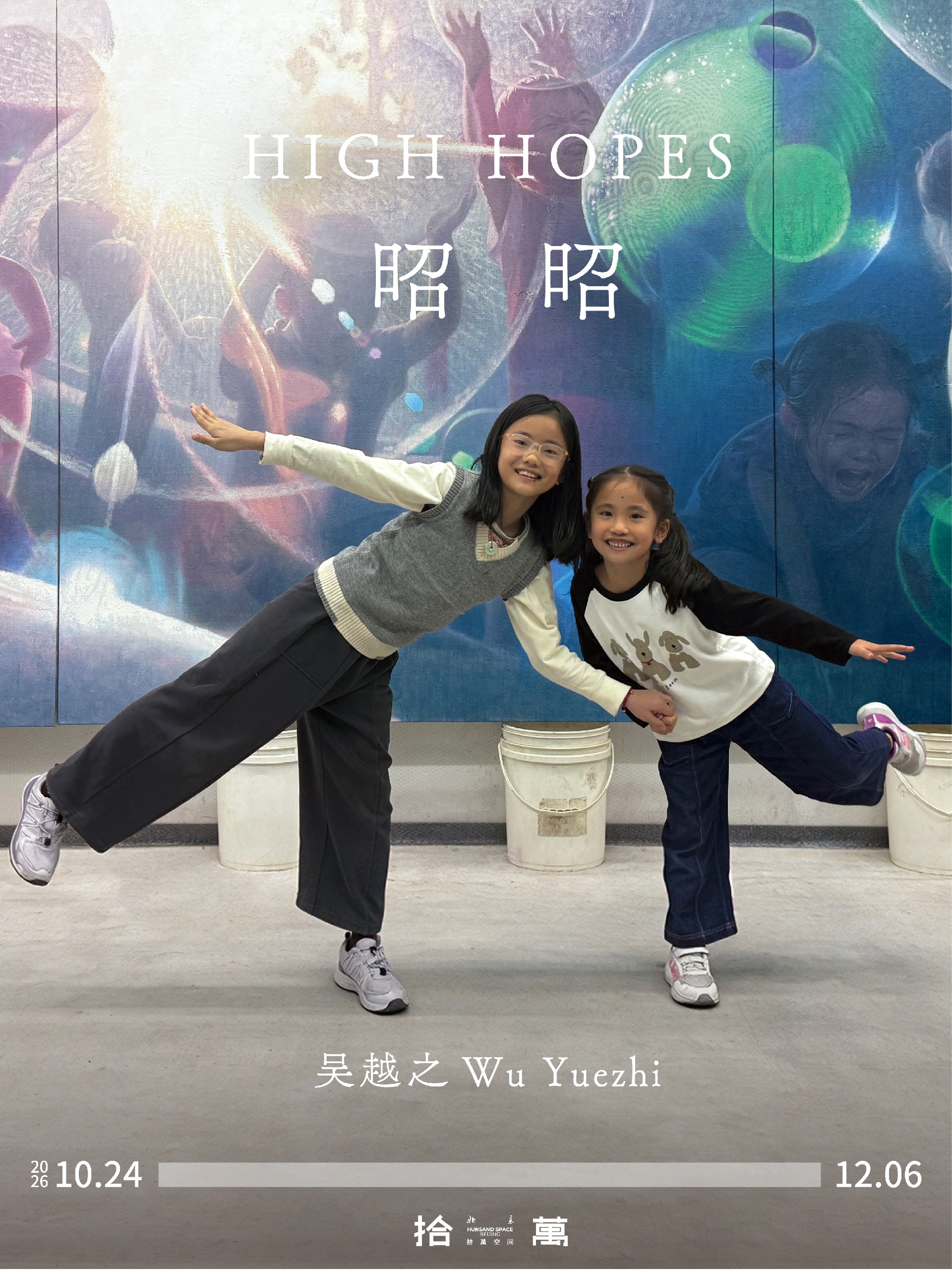
Artist: Wu Yuezhi
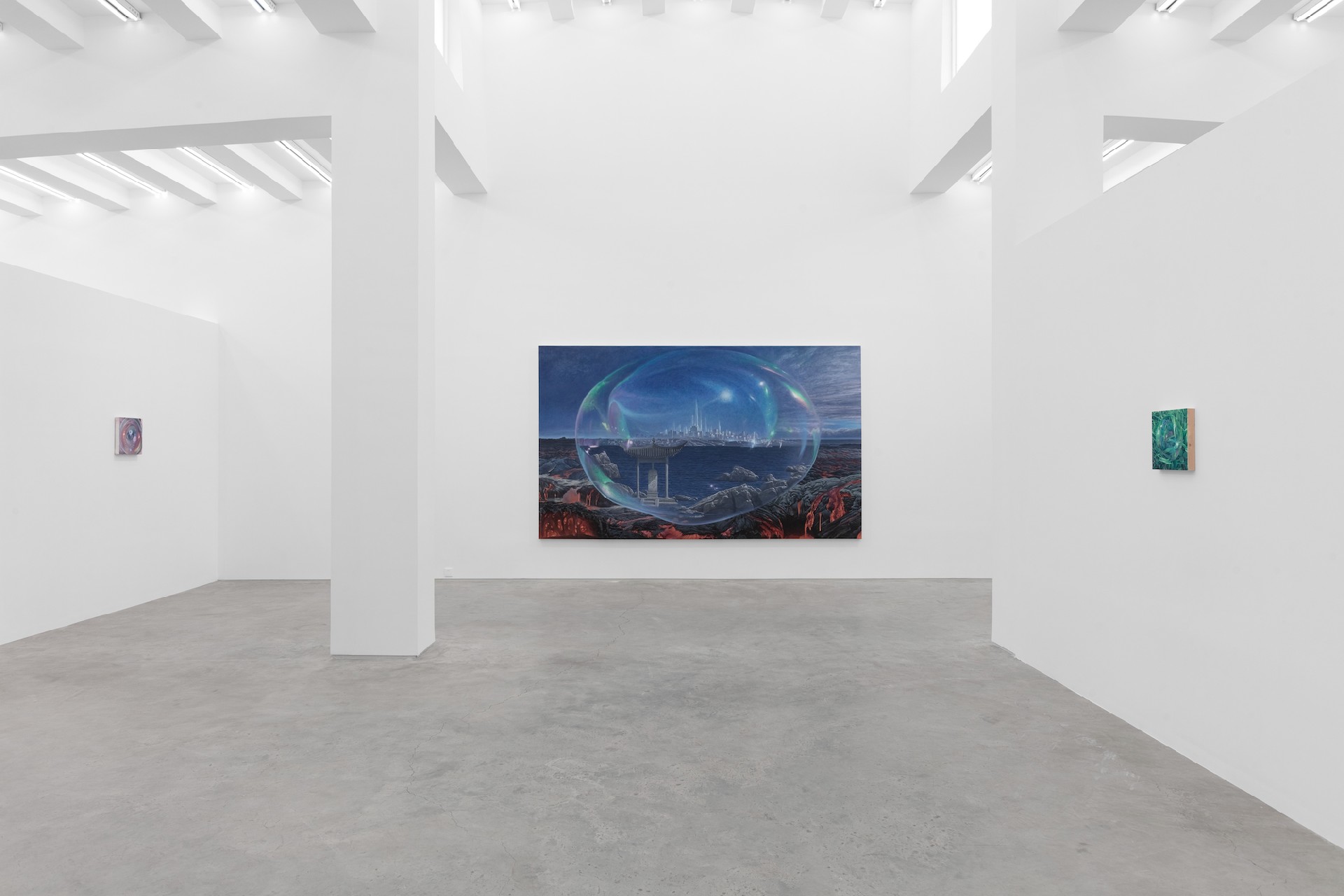
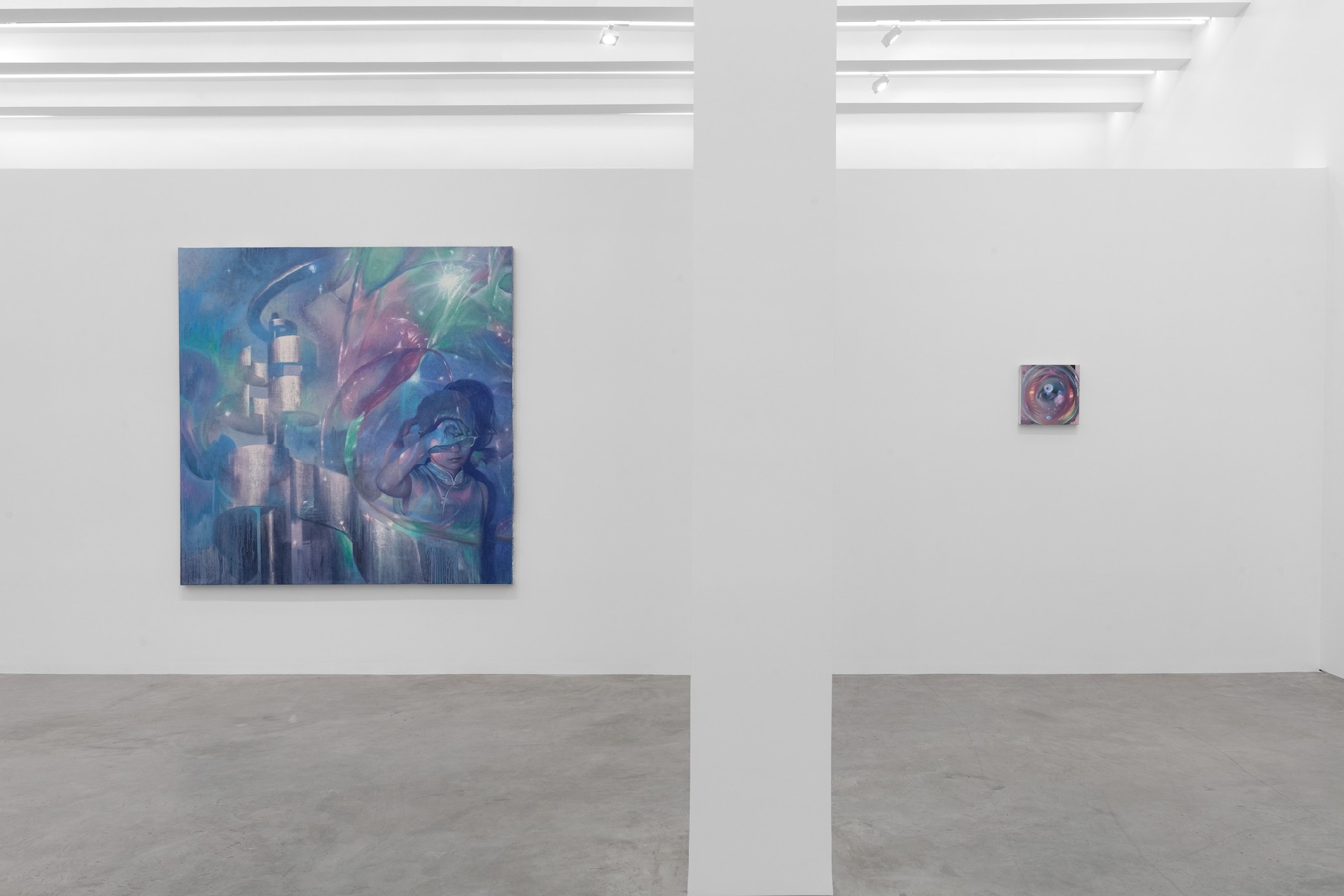
In BLACKOUT, Wu moves between the paradoxical relationship of past and future, reducing the present in his work to an almost vanishing instant, much like an alcohol-induced blackout. This compression and collapse of time and space lend his work a science-fictional sense of futurity—a vision of the future rooted in reality and historical experience. In HIGH HOPES, the temporal thread remains, but is extended into the spatial dimension. Wu depicts an “alternative space” in which the real and the virtual intersect, contradictory spaces are juxtaposed, and fragments of time converge. Within a single, actual place, multiple heterogeneous temporalities coexist. His canvas becomes such an alternative space, where collective social memory, personal bodily experience, and blueprint-like visions of the future are forcibly juxtaposed. The linear order of time collapses, giving way to the resonance and conflict of multiple temporalities.
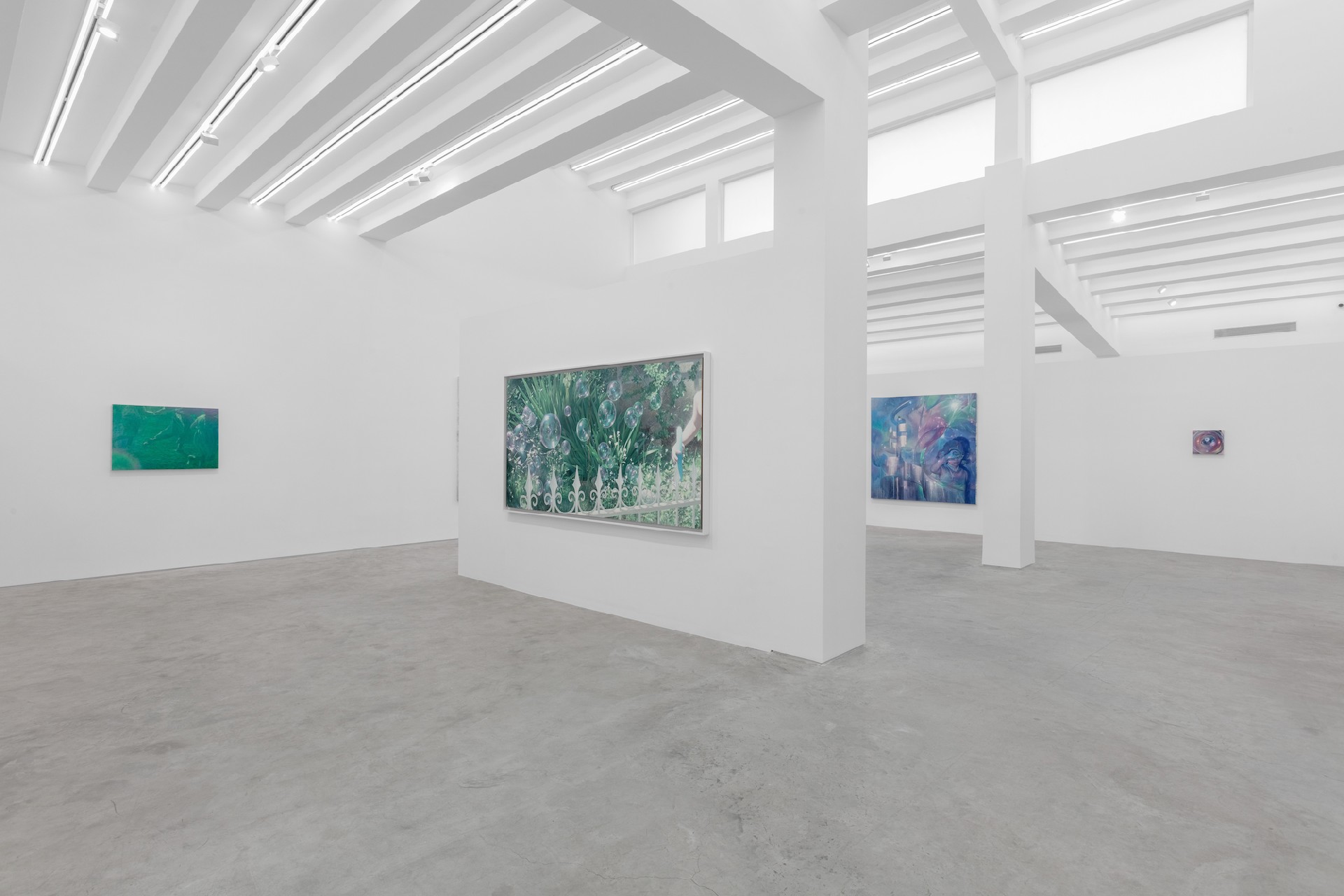
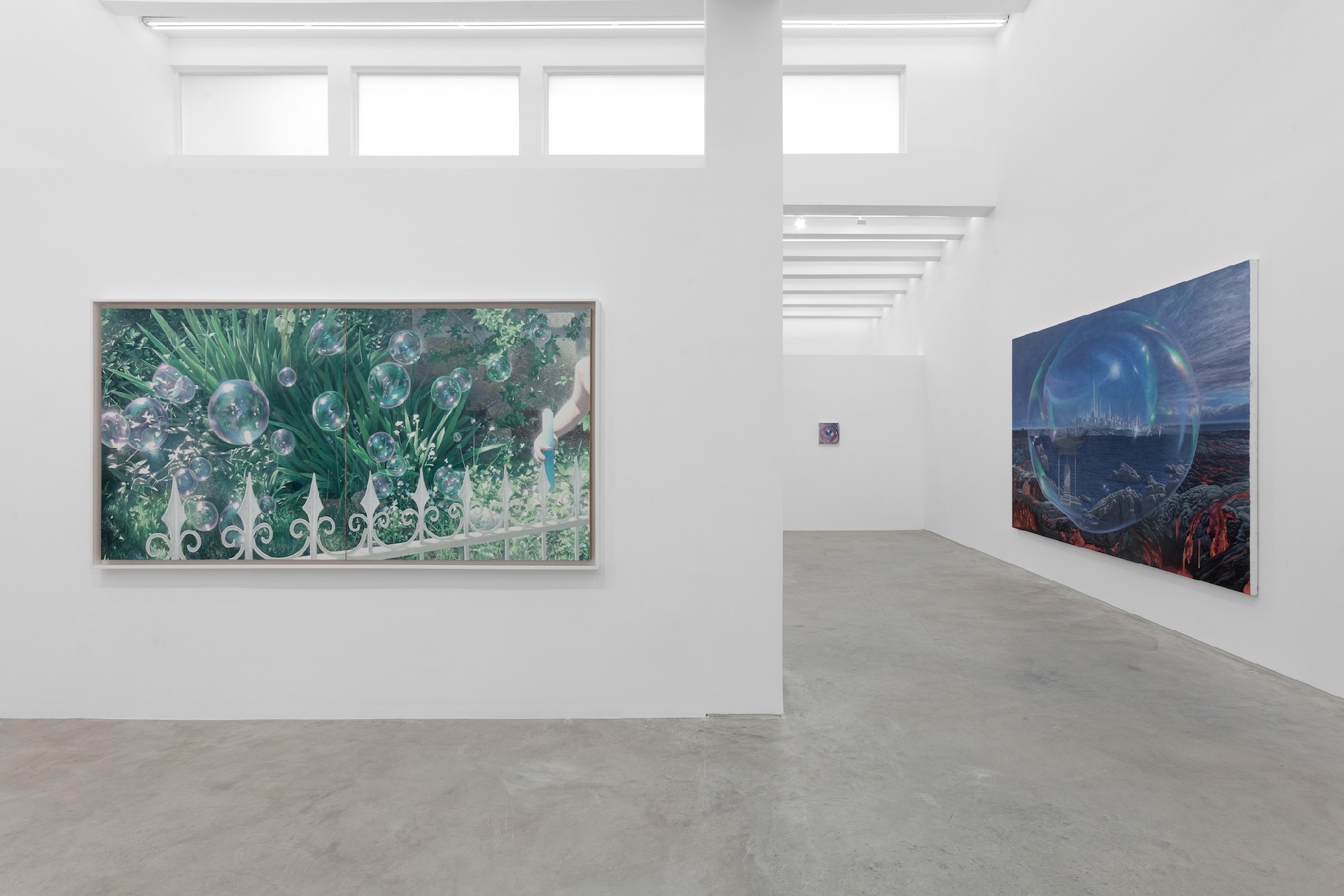
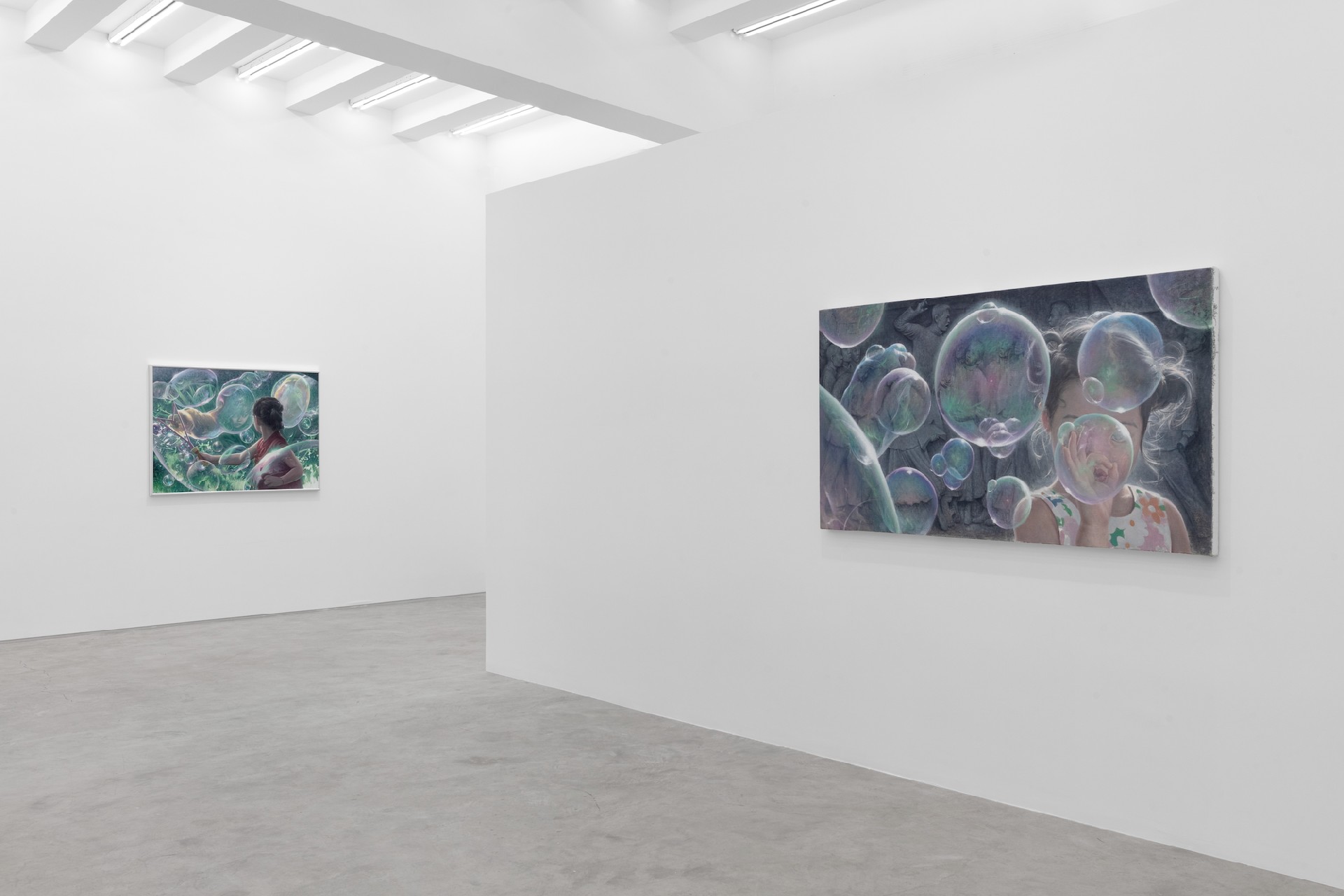
The bubble serves as a miniature model of this alternative space. Within each bubble lies a world that is curved and inverted. It draws the surrounding space onto its surface, then drifts away with it before bursting. Blowing bubbles creates a series of temporary alternative spaces that coexist with actual space yet belong nowhere. Through this gesture, the artist juxtaposes several mutually incompatible spaces and sites within a single, actual scene. The bubble exists, yet its interior space is unreal; it is visible, yet elusive; it refracts everything, yet vanishes in an instant. Like fragments of memory or historical flashbacks, these spaces are difficult to experience firsthand again, yet remain connected to reality.
The most striking shift in this exhibition is Wu’s visual intervention in the theme of will. In his large-scale work ONE DAY, he responds to Xu Beihong’s Yu Gong Moves the Mountains (1940). The painting juxtaposes, from left to right, the changing light at four moments of the day. A bubble appears, suspending time, while its surface reflects the silhouette of Xu’s celebrated work. Amid the ceaseless flow of time and history, will and memory have not been severed; they have shifted from a moment of resilience and weight into one of lightness. This rhetorical gesture recalls Italo Calvino’s interpretation of “lightness” in the first chapter of his posthumous book Six Memos for the Next Millennium. The strength and weight of will lie not only in direct and explicit expression, but also in individual acts of interpretation and transformation. This understanding also resonates with a central idea in Yi Gai by the Qing-dynasty literary critic Liu Xizai: “...to express through what is not said. It is not that nothing is said, but that meaning is entrusted to words. Thus, depth is entrusted to shallowness, substance to lightness, force to grace, straightness to curvature, the concrete to the void, and uprightness to what remains.”
Wu brings the two together: perhaps the person blowing bubbles is a descendant of Yu Gong? They no longer move mountains, but blow bubbles. The bubble is the inverse of the mountain: the mountain is heavy, eternal, and solid; the bubble is light, fleeting, and hollow. Yet the bubble also refracts the entire mountain. On its spherical surface, the mountain is curved, diminished, and inverted. By juxtaposing the two, Wu reveals that value and meaning are not naturally given, but constructed and actively claimed within the historical field. In personal experience and understanding, feelings and memories continually rise and fall. Perhaps the light of clarity lies precisely in the interval between appearance and disappearance.
Wu Yuezhi born in 1997 in Shengzhou, Zhejiang Province, China, graduated from the China Academy of Art with a master's degree and now lives and works in Hangzhou.